Science for Hazards, Impact Evaluation, and Long-Term aDaptation (SHIELD)
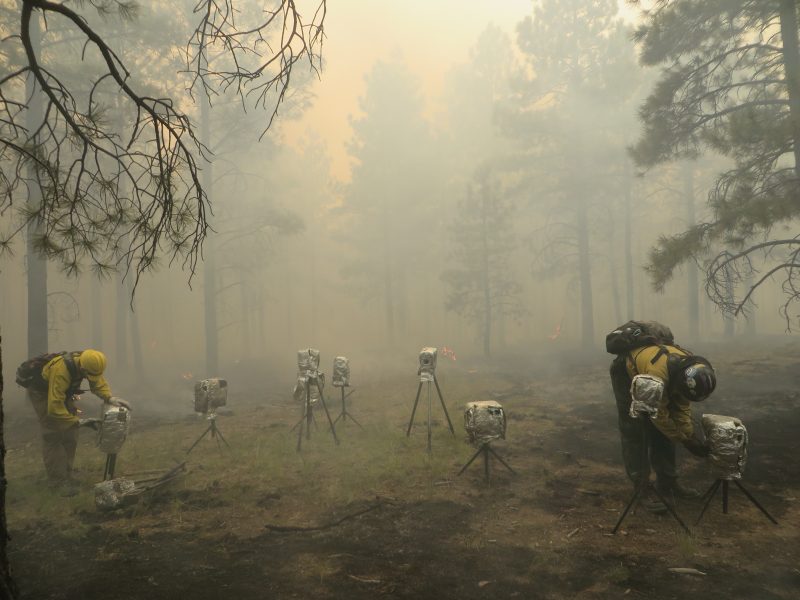
Project SHIELD Workshop: Building a Hazard-Risk Research Hub
On May 7, 2026, SHIELD hosted a one-day workshop aimed at bringing together researchers and partners across five interconnected hazard themes: hydroclimate extremes (including floods and droughts), heatwaves, wildfires, coastal hazards, and solid earth related geohazards. Its goal was to foster collaborative and interdisciplinary research tackling Earth hazards from the fundamental physics driving them to the risks they pose.
Earth hazards — such as floods, heatwaves, wildfires, hurricanes, earthquakes, landslides, and volcanic eruptions — have profound impacts on human life and infrastructure. These extreme events sometimes occur together or in sequence (i.e., cascading), exacerbating and prolonging socio-economic impacts. Some Earth hazards can result from chronic conditions or gradual changes, accumulating damage over a long period of time. Others are acute, occurring quickly and seemingly with few warning signs. Understanding, monitoring, predicting, and mitigating these Earth hazards and their associated risks is crucial for society.
The Jackson School is home to many world-leading experts on various aspects of Earth hazards. But the impact of our research could be significantly enhanced by taking more integrative approaches to understanding the physics of these hazards and how they translate to risks to infrastructure and people. The goal of this SIP is to create a hub for a comprehensive Earth hazard research program. The program is named SHIELD: Science for Hazards, Impact Evaluation, and Long-Term aDaptation.
Goals
SHIELD aims to establish stakeholder engagement across five types of Earth hazards: floods, droughts, earthquakes, wildfires, heatwaves, and coastal hazards. The ultimate goals are to coalesce and amplify current and future Jackson School research into an effective and leading program in understanding Earth hazards and risks. This SIP will achieve these goals by enhancing Jackson School collaborations, bringing together global leaders (industry, academics, policy makers) through Earth hazard workshops, and providing seed funding for pilot research projects related to these hazard themes.
Leads

James Thompson
Research Assistant Professor
Bureau of Economic Geology
Expertise: Wildland fire science, Volcanology, Instrumentation

Yuko Okumura
Research Associate Professor
University of Texas Institute for Geophysics
Expertise: Dynamics of climate variability and changes, ocean-atmosphere interactions
Focus Areas and Sub-Teams
SHIELD will create sub-teams focused on five types of Earth hazards. The leaders and sub-team leaders will identify other contributing experts across the Jackson School and the UT research community and discuss ways to connect our research to maximize societal impact.
Hydroclimate extremes
Floods, droughts, water resources
Lead: Bridget Scanlon
Research Professor, Bureau of Economic Geology
Heatwaves
Extreme temperature and humidity, human health impact
Lead: Geeta Persad
Assistant Professor, Department of Earth and Planetary Sciences
Wildfires
Fire weather, post-fire landslides, and environmental pollution
Lead: Danielle Touma
Assistant Professor, University of Texas Institute for Geophysics
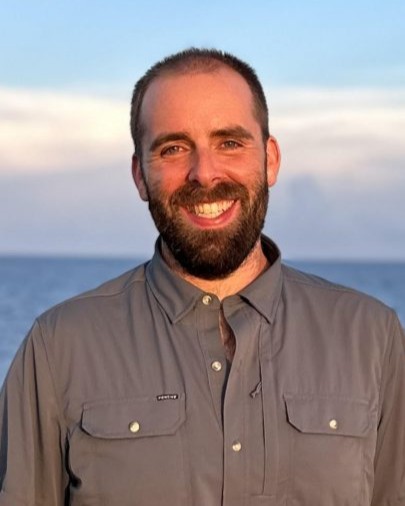
Coastal hazards
Hurricanes, storm surges, and sea level
Lead: Chris Lowery
Research Associate Professor, University of Texas Institute for Geophysics
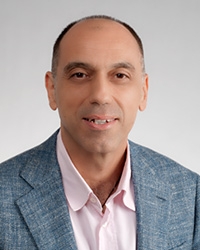
Solid Earth Hazards
Earthquakes, volcanic eruptions, and landslides
Lead: Alexandros Savvaidis
Research Professor, Bureau of Economic Geology
Opportunities
Project SHIELD will provide opportunities to existing and incoming Jackson School graduate students and postdoctoral fellows to participate in SHIELD. Please find current opportunities below and reach out to the SHIELD leads at SHIELD@jsg.utexas.edu for additional information.
2027 Graduate Student Entry Fellowship
Project SHIELD is again excited to sponsor a full year of GRA support for an incoming graduate student starting Fall 2027 to study Earth hazards under this initiative. The successful candidate is expected to pursue Earth hazard research aligned with Project SHIELD’s goals, building on and expanding the existing expertise at the Jackson School. For consideration, please email nomination letters to Project SHIELD (SHIELD@jsg.utexas.edu) with “[2027 Graduate Fellowship]” included in the subject line by January 1, 2027. Please include at least 2 faculty members across JSG units, justification of applicant, applicant qualifications, statements on alignment and contribution to SHIELD. Applicants should apply to the JSG Graduate Program before December 1, 2026 (https://www.jsg.utexas.edu/academics/graduate/).
Every 2 years the Jackson School of Geosciences invites applications for a postdoctoral researcher to study Earth hazards under the initiative Project SHIELD (Science for Hazards, Impact Evaluation, and Long-Term aDaptation). The successful candidate will develop integrative research approaches to investigate Earth hazards from fundamental physics principles to risk determinations that closely align with societal needs. Applications are currently closed with the next anticipated opening in 2028.