Project SHIELD Workshop
The Project SHIELD Workshop aims to build connections across the Earth Hazard community, identify critical research gaps and challenges, and engage with stakeholders.
May 7, 2026
The University of Texas Institute for Geophysics
J.J. Pickle Research Campus
10601 Exploration Way, Bldg. 196 (ROC) Austin, TX 78758-4445
If interested in presenting a lightning talk (faculty only) or poster please provide a title and short abstract (less than 200 words) during registration.
About Project SHIELD
Project SHIELD (Science for Hazards, Impact Evaluation, and Long-Term aDaptation) is part of the Jackson School Strategic Investment Plan (SIP). Its goal is to foster collaborative and interdisciplinary research tackling Earth hazards from the fundamental physics driving them to the risks they pose. The workshop will include keynote and lightning talks, breakout discussions, and a poster session.
Keynote Speakers
Coming soon
Workshop Agenda
| Time | Event |
|---|---|
| 7:45 | Registration |
| 8:15 | Opening Remarks from the Dean and Associate Dean of Research |
| 9:00 | Scene Setting: Science-to-Risk Keynote Talks |
| 10:00 | Coffee and Tea Break |
| 10:30 | Technical Lightning Talks: Current State of the Science at the Jackson School |
| 11:00 | Application Needs |
| 12:00 | Lunch |
| 13:15 | Breakout Session 1 Hazard Specific Deep Dives and Stakeholder Engagement & Integration |
| 14:15 | Report-back – Breakout Session 1 |
| 14:45 | Afternoon Break |
| 15:30 | Breakout Session 2 Building Hazard-Risk Research Hubs |
| 16:30 | Report-back – Breakout Session 2 |
| 17:00 | Key Takeaways, Closing, and Next Steps |
| 17:30 | Posters & Reception |
| 19:00 | Meeting ends |
Breakout Sessions
The Project SHIELD workshop breakout sessions aim to:
- Deepen hazard‑specific knowledge
- Integrate impact‑evaluation methods
- Link adaptation actions to outcomes
- Identify critical research gaps and cross‑hazard challenges
- Strengthen stakeholder engagement and collaborative pathways
Breakout Session 1: Hazard Specific Deep Dives and Stakeholder Engagement & Integration
SHIELD identifies five major Earth hazard categories as focal areas for research collaboration. Breakout groups in session 1 are clustered around these to explore challenges, knowledge gaps, and integration opportunities, as well as discussing connecting scientists, policymakers, industry experts, and communities. Groups include:
- Hydroclimate extremes: Floods, droughts, water resources
- Heatwaves: Extreme temperature and humidity, human health impact
- Wildfires: Fire weather, post-fire landslides, and environmental pollution
- Coastal hazards: Hurricanes, storm surges, and sea level
- Solid Earth: Earthquakes, volcanic eruptions, and landslides
Breakout Session 2: Building Hazard-Risk Research Hubs
The second breakout session focuses on topics that span Earth hazards to help build comprehensive hazard research hubs connecting scientists, policymakers, industry experts, and communities. Groups include:
- Cascading and Compounding Events: Emphasizes that extreme events often occur together or sequentially, amplifying impacts. This breakout examines how to model, predict, and prepare for multi hazard interactions.
- Impact Evaluation Methods and Challenges: Draws from global impact evaluation frameworks. This breakout group addresses how to measure and attribute impacts, especially when hazards are chronic, slow onset, or multi causal.
- Vulnerability, Exposure & Resilience Assessment: This breakout explores risk assessment guidelines that highlight the importance of vulnerability, exposure, and adaptive capacity evaluation.
- Linking Adaptation Actions to Outcomes: The breakout facilitates the development of stress frameworks to explore the causal chain between adaptation actions and measured outcomes.
- Identifying Knowledge Gaps & Research Needs: The breakout group explores resilience frequence to map knowledge gaps.
Event Location
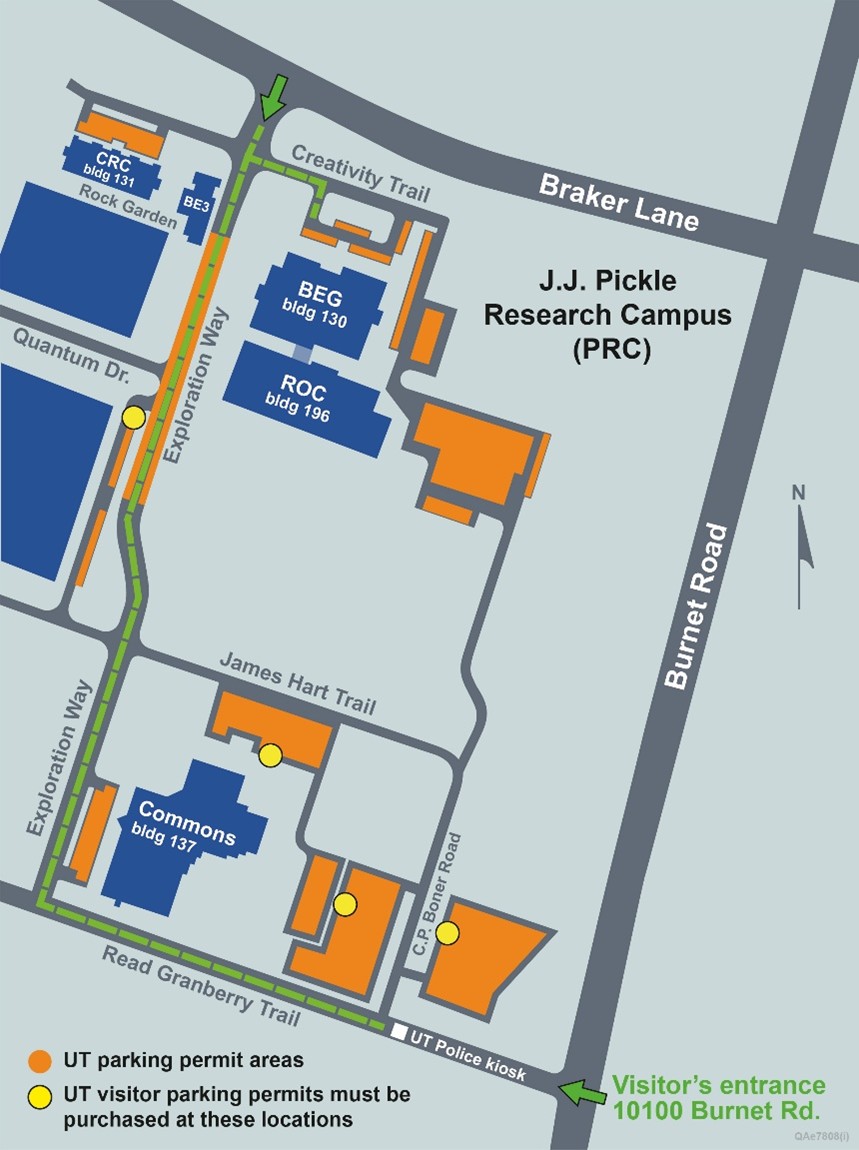
The workshop is hosted by The University of Texas Jackson School of Geosciences. The main workshop will be held at The University of Texas Institute for Geophysics Seminar Room (ROC 1.603).
The University of Texas Institute for Geophysics
Research Office Complex (ROC)
10601 Exploration Way
Austin, TX 78758
Parking
Visitors to PRC can obtain a visitor parking permit from our check-in desk on the morning of the event or from the Pay and Display kiosks at 10500 Exploration Way or 2905 Read Granberry Trail. UT affiliates can use valid UT parking permits labeled “A”, “C”, or “Disabled”.
You may park in parking spots marked “Any UT Permit.”
Hotel Recommendations
Hotels near the Pickle Research Campus may be found here: https://www.beg.utexas.edu/about/hotels
Contact & Information

James Thompson
Research Assistant Professor
Bureau of Economic Geology
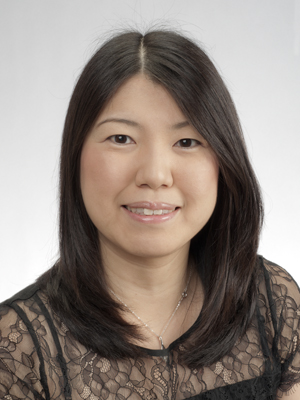
Yuko Okumura
Research Associate Professor
University of Texas Institute for Geophysics
Any questions? Please email SIP_Leads@jsg.utexas.edu with “[SHIELD]” in the subject line for additional information.