Strategic Investment Plan
We’ve made a bold move. At a time when funding for research is anything but certain, the Jackson School of Geosciences has doubled down. Our Strategic Investment Plan puts $1 million toward three areas of Earth science research that are extremely relevant to society, and in which we already make a huge impact: Earth hazards; energy, resources, and global change; and planetary dynamics.
Visionary, high-impact research is the Jackson School’s bread and butter. With more than 120 faculty members across its three units — the Department of Earth and Planetary Sciences, the University of Texas Institute for Geophysics and Bureau of Economic Geology — the Jackson School is one of the largest academic geosciences institutions in the world. Both the breadth of the geosciences that is studied here and the expertise of our researchers is unmatched.
This Strategic Investment Plan (SIP) better aligns those efforts, and fosters collaborative, interdisciplinary research to tackle these three complex issues. Each SIP team will receive $350,000 in annual support from the Jackson School for three years to support collaborations, pilot projects, and workshops that advance each SIP team’s goals.
SIP Research Areas
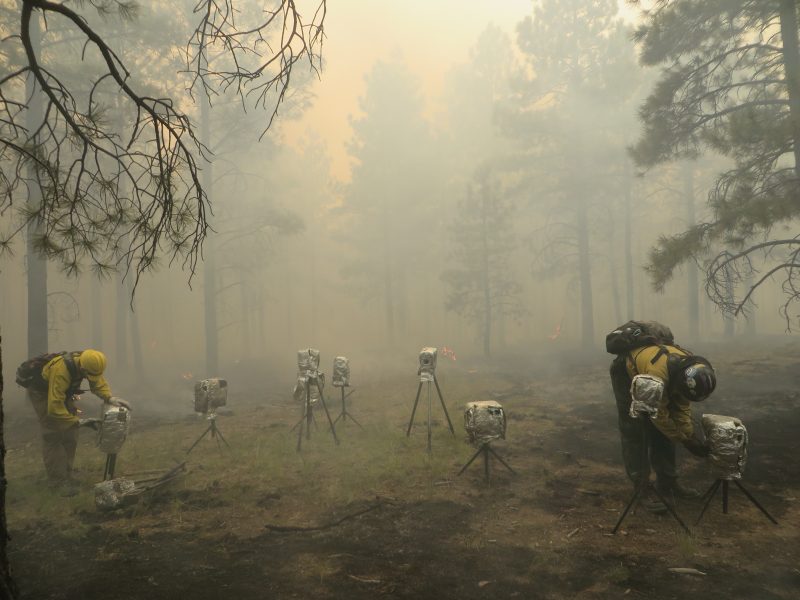
Science for Hazards, Impact Evaluation, and Long-term aDaptation (SHIELD)
Developing integrative research approaches to investigate Earth hazards from the fundamental physics driving them to the risks they pose to communities, businesses and the economy can help decision makers with critical planning and policy decisions.
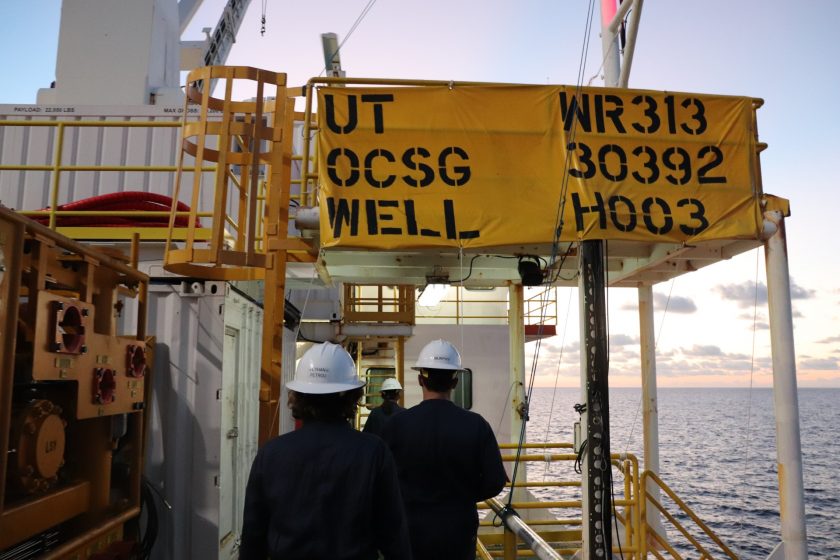
Bridging Energy, Resources, and Global Change
Developing and producing the energy the world needs in an environmentally and economically sustainable way is one of the biggest challenges facing society. The Jackson School has long been a leader in applied energy research and all its critical aspects, including carbon management, water resources, hydrogen and helium resources, critical minerals, the impact of climate change and sea level rise.
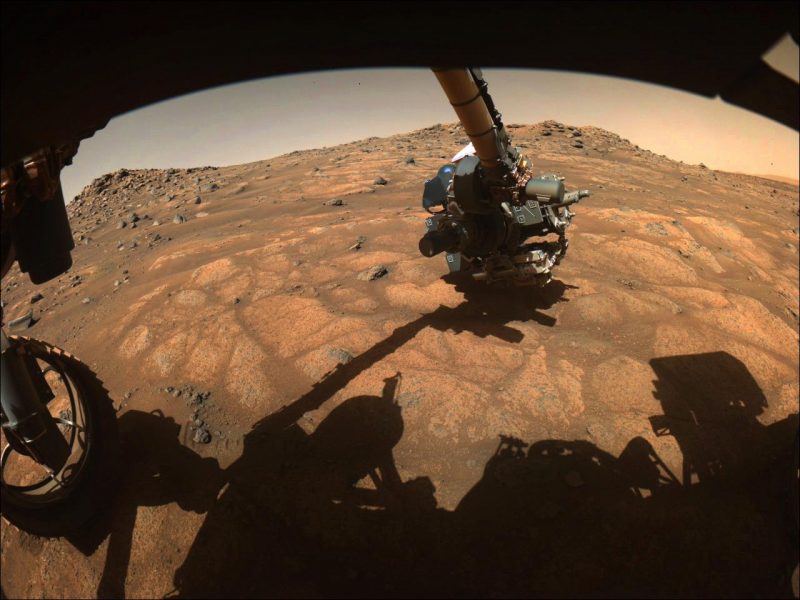
Planetary Dynamics
Developing monitoring and measurement techniques to understand Earth and nearby planetary bodies (especially the Moon and Mars), enhances our understanding of the processes that govern the dynamics, evolution, and surface environments of Earth and other planetary bodies. It can also give us key insights in the conditions required for life.
If you have any questions for the SIP Leads, please contact SIP_Leads@jsg.utexas.edu.