Hydrology Professor Developing Simple Outdoor Flood Alarm to Save Lives
July 13, 2026
In the aftermath of the devastating July 4, 2025 floods that took 139 lives in Central Texas, an associate professor at The University of Texas at Austin set out to make a new type of outdoor flood alarm: one that was low-tech, loud, and that anyone could “set and forget” — just like a smoke detector.
One year later, the alarm is on its way toward becoming a reality. The provisional patent application for the technology was filed on June 22, and Discovery to Impact, UT’s research commercialization unit, has helped fund the small business for the device — RiseAlert, LLC. The Jackson School of Geosciences Deans Office has also contributed funding.
After learning about the tragedy at Camp Mystic that took the lives of 27 campers and counselors, Daniella Rempe, an associate professor of hydrology at the UT Jackson School of Geosciences, enlisted longtime collaborators David Dralle, a research hydrologist with the U.S. Department of Agriculture Forest Service, and Jesse Hahm, an associate professor at Simon Fraser University, to help design a simple outdoor flood alarm. She had spent her summers as a kid at a sleepaway camp in the Texas Hill Country, and she wanted to build something that could prevent a tragedy like this from occurring ever again—not just in this part of Texas, but anywhere in the world.
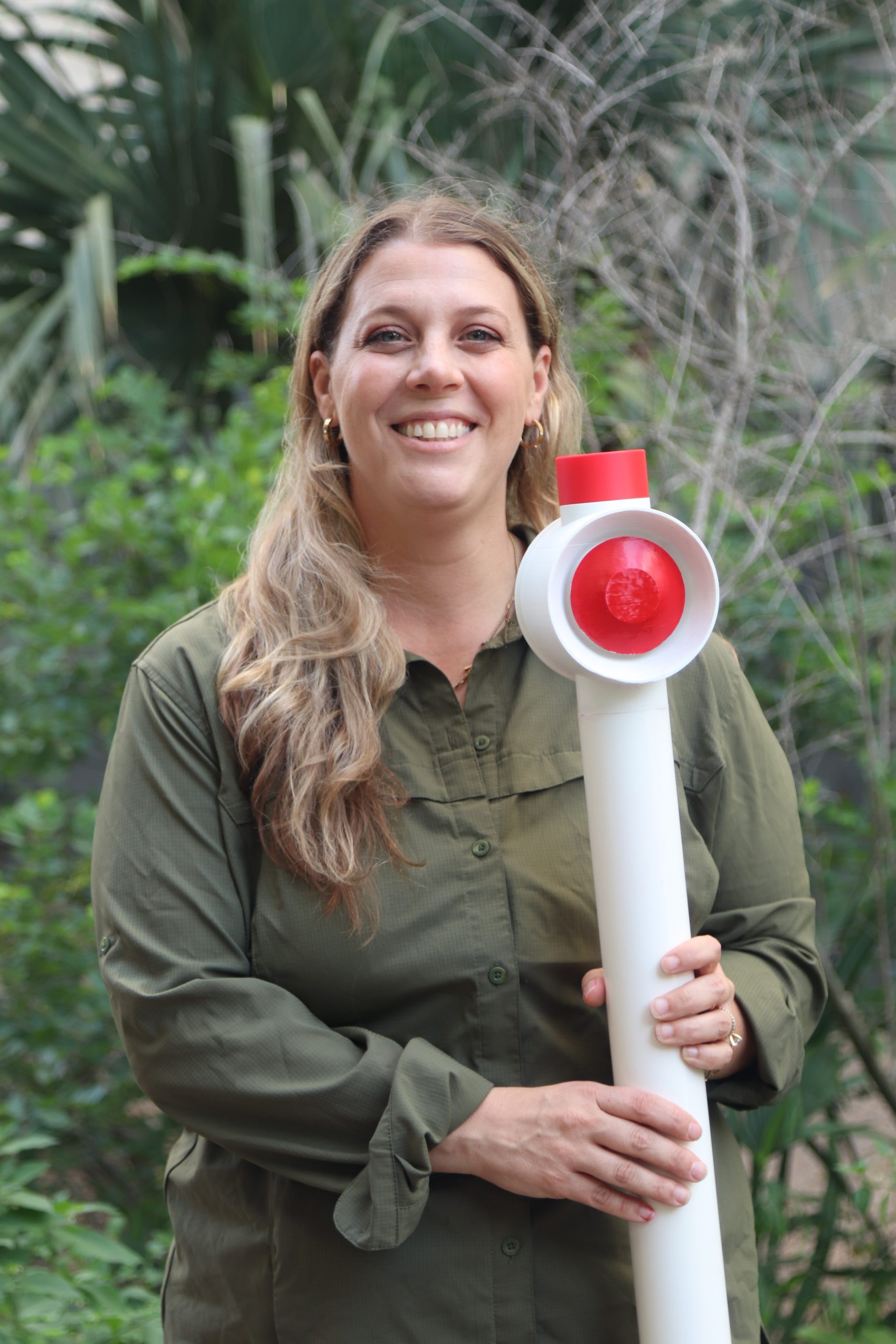
The team’s design is intentionally simple: Like high-water alarms used in septic systems, it pairs a water-level sensor with an alarm and warning light. The difference is that it is designed specifically for outdoor flood warning. The design process has been focused on affordability, low power consumption, and minimal maintenance.
“We’re trying to fill an important gap in flood safety: a last line of defense device,” Rempe said. “Even in communities like mine that are fortunate to have emergency warning texts and sirens, a device like this can save lives.”
The device has come a long way since its first proof of concept — which was a collection of off-the-shelf components wired together along a piece of wood. The design process is now complete, and Rempe’s team is moving on to prototype testing. But, crucially, RiseAlert needs investors before production can begin.
“When we saw that there was nothing like this out there, we just thought it was time to step in and build something. It just seemed like the right thing to do.”
Daniella Rempe
“We’re looking for partners right now,” Rempe said. “Flash floods are a global hazard. Our goal is to make outdoor flood alarms as affordable and easy to install and maintain as smoke detectors.”
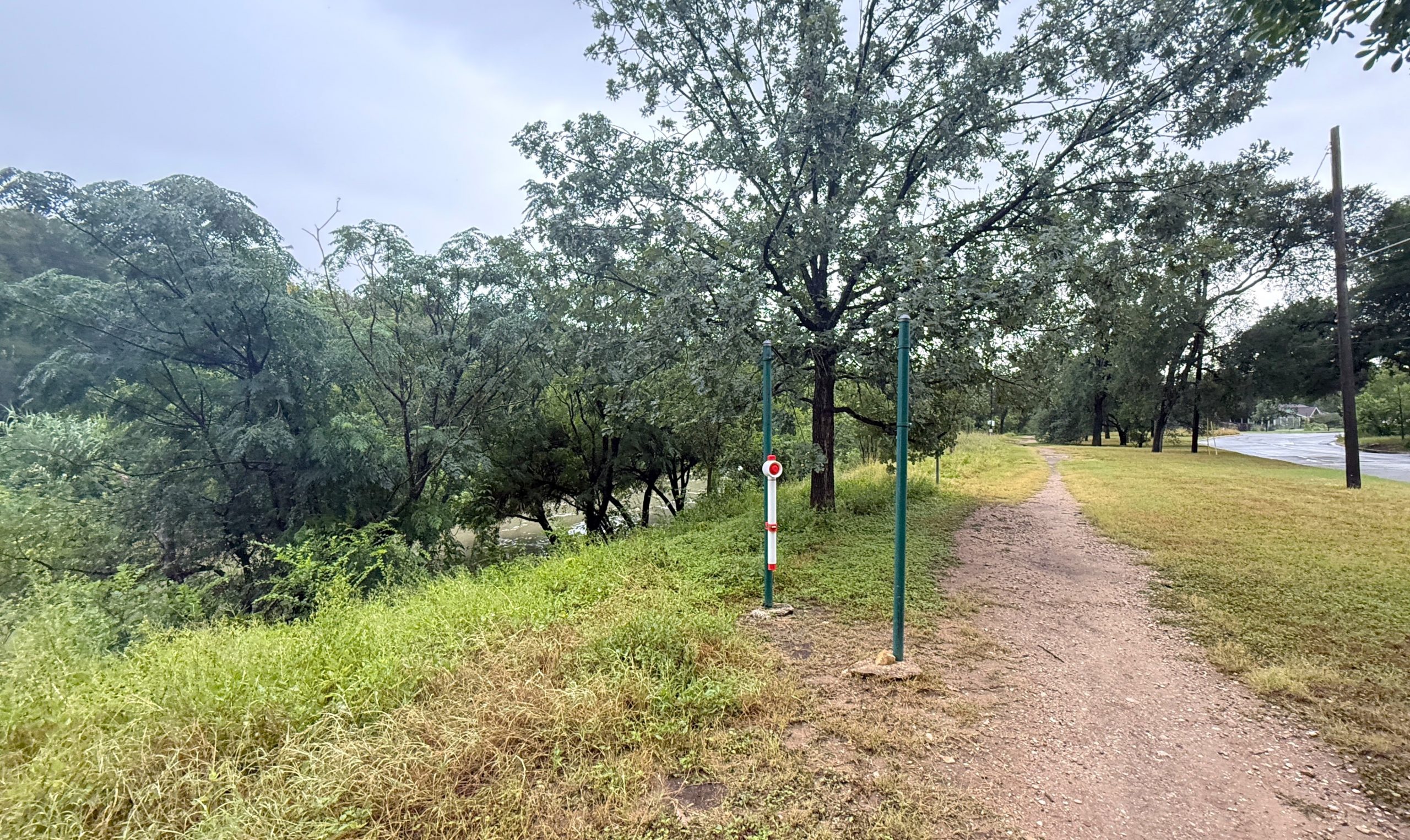
The alarm is low-tech and low-upkeep. It’s designed so that when floodwater rises to a preset height, it triggers a water-level sensor that activates a loud alarm and warning light. Installation could be as simple as securing the device to a tree or a fence post downslope from a residence. It’s designed to have a battery life of at least 10 years, and to be weather- and pest-resistant. It doesn’t connect to the internet or have a phone app, which Rempe argues makes it more reliable during an emergency.
It’s meant to fill a niche that Rempe finds surprisingly lacking: a device that can detect life-threatening floods as the water is rising on an individual property.
Currently, indoor flood alarms are widely available, but they’re meant to detect leaks inside and would not be able to withstand outdoor conditions. They also don’t provide a lot of warning if water from a flood were already inside a home. Some cities have early warning systems such as outdoor flood sirens or text alerts, but they’re cast over large areas and do not necessarily reflect the conditions at any induvial property.
As hydrologists, Rempe and her colleagues set up advanced instruments for studying rivers during floods and droughts as part of their day job. But they also recognize that the most effective solution isn’t always the most complex.
“When we saw that there was nothing like this out there, we just thought it was time to step in and build something,” she said. “It just seemed like the right thing to do.”