Jackson School Enhancing Fossil Collections in Education and Research
May 13, 2026
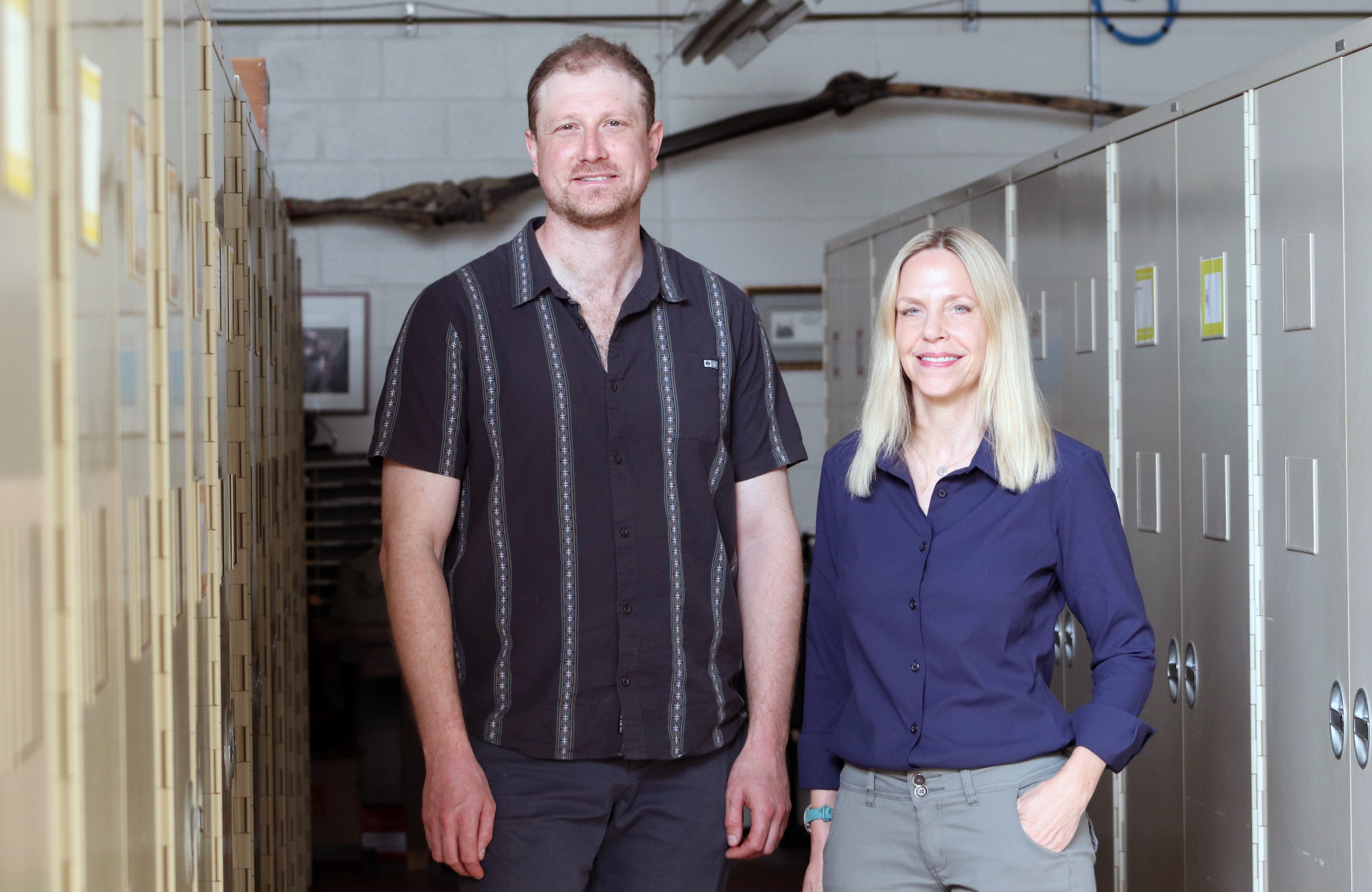
The Jackson School of Geosciences’ two enormous and renowned fossil collections have long been home to millions of eye-catching specimens and have served as critical resources for scientists here in Austin and around the world.
The Vertebrate Paleontology Collections (TxVP), which was founded in 1949, is among the seventh largest fossil collections in North America. It holds more than 250,000 catalogued specimens and perhaps three times that amount uncatalogued. It is also home to a growing collection of bones from modern specimens.
The Non-Vertebrate Paleontology Laboratory (NPL), which was founded in 1999, is among the five largest invertebrate fossil collection in North America, likely holding over 4.5 million specimens. The laboratory has extremely diverse holdings. Among fossils of animals and insects, it also holds an array of plant fossils, meteorites and minerals.
While each collection serves as a critical storehouse for Earth history, a new Jackson School initiative is working to enhance the NPL and TxVP as a resource for research and education at the school, as well as to strengthen connections between the two labs and other Jackson School units.
This effort includes designating the respective directors, Dr. Lisa Boucher and Dr. Ben Kligman, as professors of practice in addition to collections curators. They will start teaching classes at the Jackson School in spring 2027, bringing their expertise and specimens from their collections into the classroom.
Jackson School faculty members frequently draw on specimens from the collections for their classes. For example, Professor Chris Bell relies on modern skeletons from the TxVP to teach GEO 322V “Morphology of the Vertebrate Skeleton,” and Associate Professor Rowan Martindale uses fossils from the NPL collection to teach GEO 405 “Life Through Time.”
Now, students will be able to learn from curators of the collections themselves, along with having another chance to interact with the myriad of specimens from the NPL and TxVP.
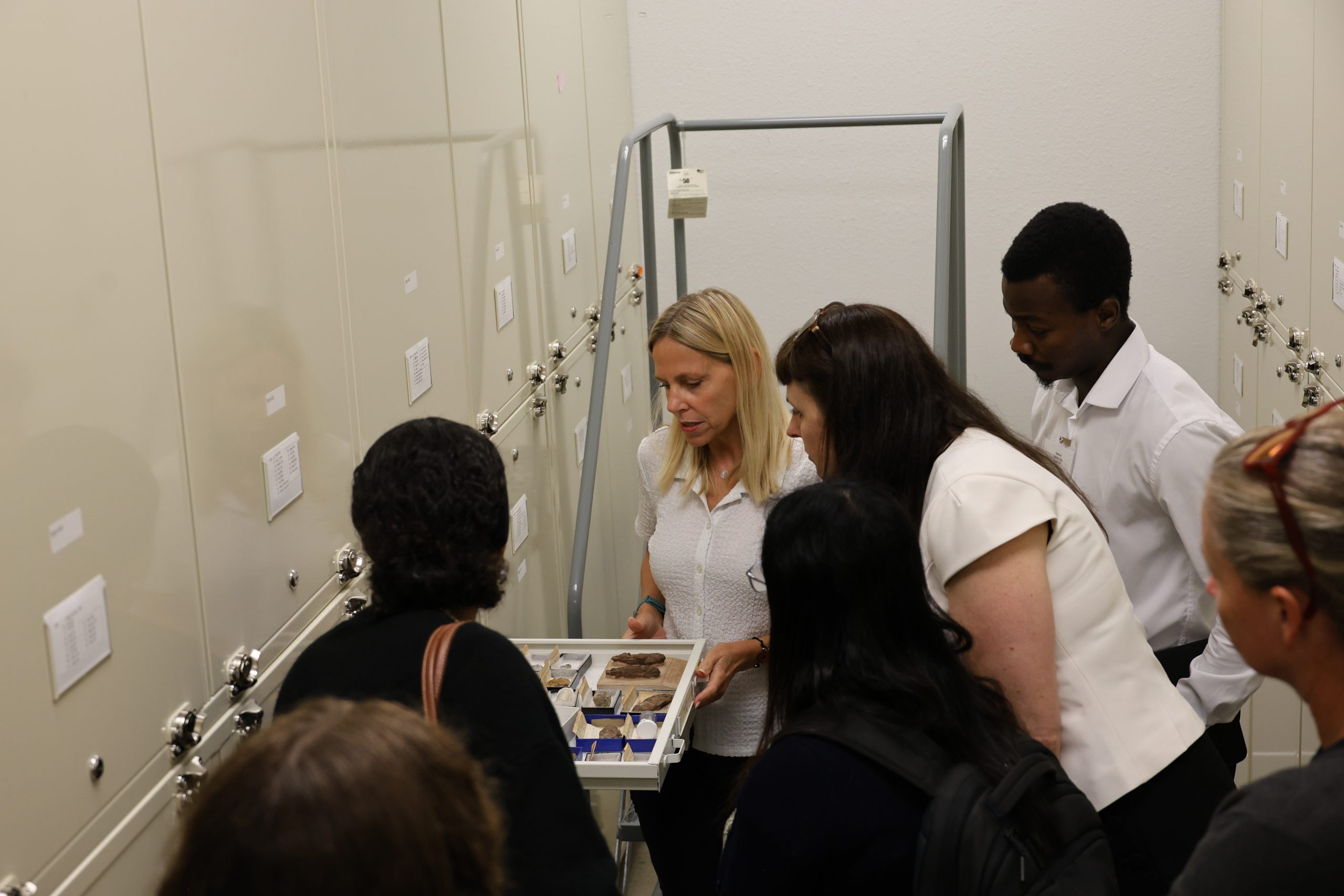
“This feels like a natural fit to me,” said Boucher, who has taught courses in the past and currently mentors students. “It will also allow us to integrate specimens from our collection in a stronger way, and have students analyze data that’s within our collection.”
Boucher has been leading the NPL since 2019. She is a paleobotanist who studies plant communities from the Cretaceous. Kligman, who joined the TxVP in February 2026, studies life from the Triassic and Early Jurassic. He focuses on the origins of modern vertebrates like lizards and amphibians, and extinctions in vertebrate communities. The two are planning on working together on pursuing joint grants and research opportunities that can benefit both collections.
Kligman said that he is looking forward to drawing on NPL collections to ask broader questions about vertebrate ecology — and encouraging students to do the same.
“I’d like to empower students who work at the TxVP to see the NPL as a resource, not just another museum we never talk to,” Kligman said. “‘Are you interested in the diet of extinct animals?’ You should go talk to the people who study fossils plants or insects who can help you think outside of the box.”
With an almost endless number of specimens, it can be difficult to know what to prioritize. A new strategic oversight committee, which is in the process of coming together, will help the NPL and TxVP work more synergistically. The oversight committee’s goal will be to help the collections determine how to focus limited time and funding so both the NPL and TxVP can benefit.
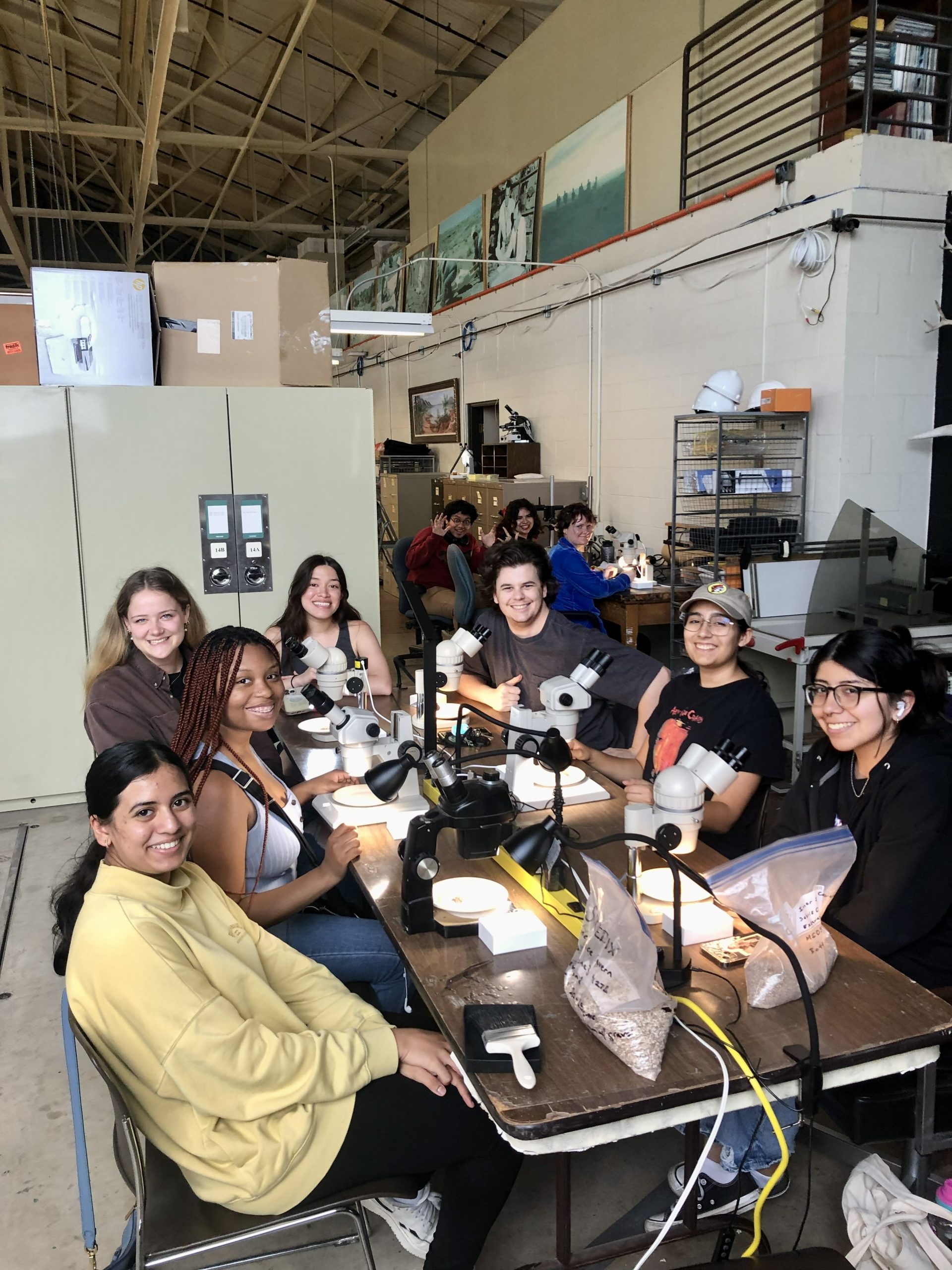
Despite all the change, Boucher said she expects one thing to stay the same: an abundance of students to assist with research and operations at the collections.
“It’s really valuable for student training, and they’re interested,” Boucher said. “I always get requests for either volunteering or working more formally as a research assistant. I usually do not have to advertise for positions or opportunities.”
For more information, contact: Anton Caputo, Jackson School of Geosciences, 210-602-2085; Monica Kortsha, Jackson School of Geosciences, 512-471-2241.