Fossils From Giant Tortoise and Ground Sloth Found in Texas Water Cave
November 17, 2026
An invitation to snorkel for fossils in a Texas cave resulted in an unexpected prehistoric discovery: fossils from a giant tortoise and an armadillo relative called a pampathere that had never been seen in Central Texas before.
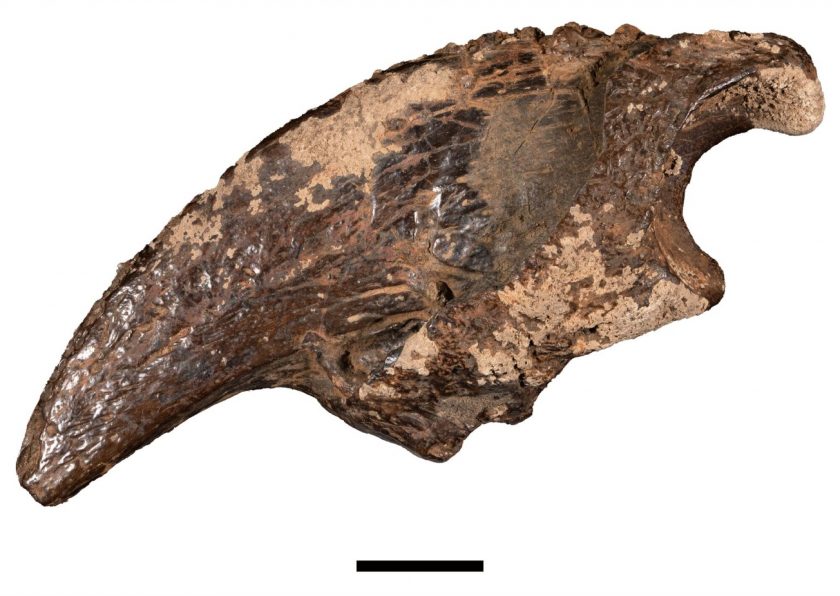
The shell and armor fragments were among the dozens of other fossils, including a large curved claw from a giant ground sloth, recovered from the dark, subterranean streams. Although cavers have anecdotally reported abundant fossils in Texas water caves, this research is the first paleontological study of such a site.
There’s evidence that the water cave fossils could be from the last interglacial, a warm period from about 100,000 years ago that occurred during the last Ice Age. Despite extensive paleontology research in the area dating back almost a century, fossils from this period have not been found before in Central Texas.
Like most caves in Texas, this water cave is on private property and was accessed with permission from the landowners. The researchers emphasized that refining the picture of prehistoric Texas requires landowners and scientists to work together to explore the past.
Research by John Moretti, research fellow
Department of Earth and Planetary Sciences
Research published March 2026 in Quaternary Research