
Ben Kligman Leads Texas Vertebrate Paleontology Collections
April 22, 2026
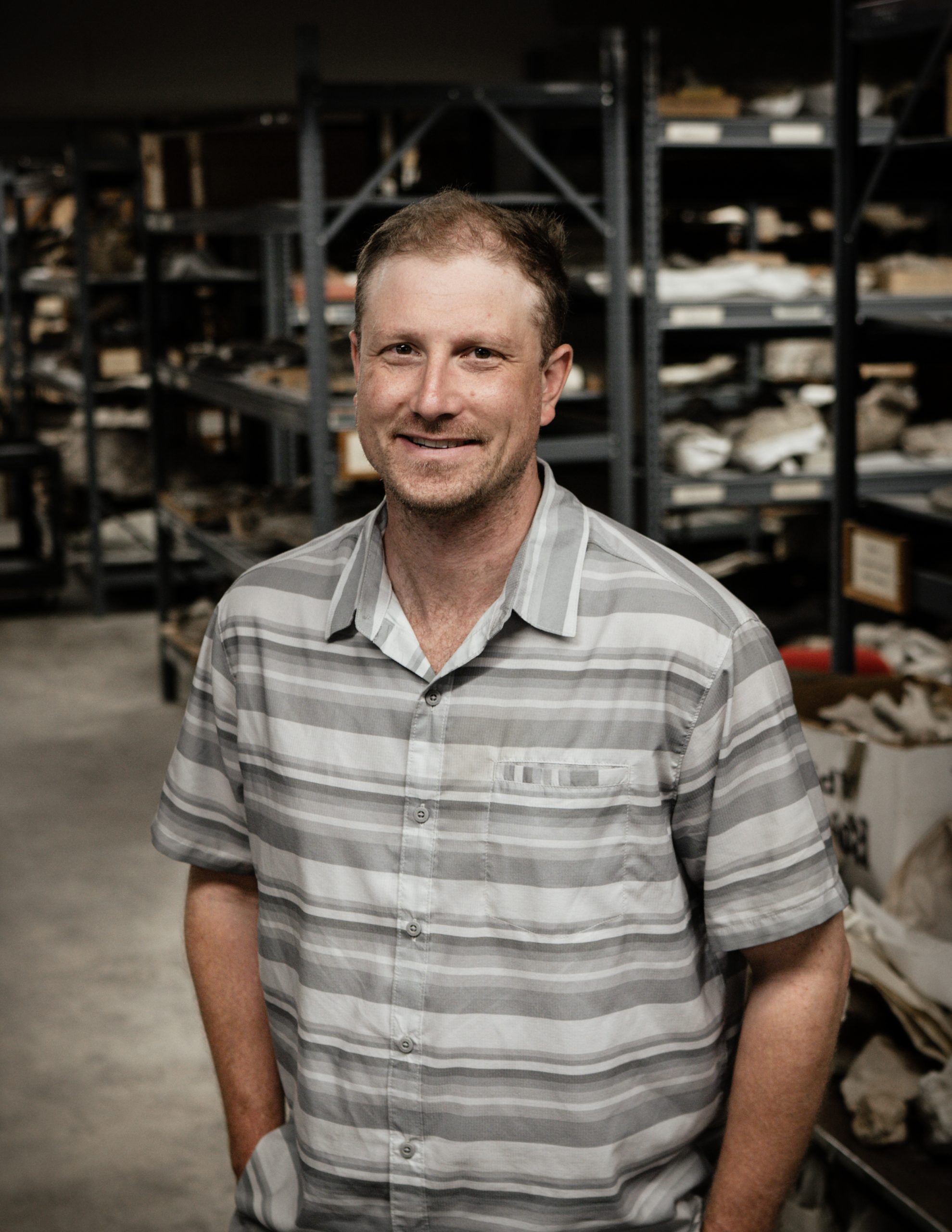
Ben Kligman joined the Jackson School of Geosciences earlier this year as the Curator in Charge of Vertebrate Paleontology at the Texas Vertebrate Paleontology Collections and an assistant professor of practice. He was previously a Peter Buck Postdoctoral Fellow at the National Museum of Natural History at the Smithsonian Institution.
Kligman is a vertebrate paleontologist interested in big knowledge gaps in the geologic record, with his research encompassing the evolution of vertebrates and their communities across the Triassic and Jurassic periods. He uses data from a range of scientific fields, from modern genetics to early 20th century paleontology papers, to home in on research questions and promising field sites.
“Although it might be difficult and risky or take a lot of time before you find something, when you do find something, it can actually shed light on the big questions,” said Kligman. “So, I use field work as my main tool to try to tackle the questions that have been most intractable about the history of life on Earth.”
One of Kligman’s specific research focuses is shedding light on the evolution of early lizards and their relatives from the Triassic Period. No one has found definitive lizard fossils from this time period yet. But based on evolutionary and genetic research on modern lizards, the fossils should be out there. Kligman draws on a range of ecological information to inform the search. Knowing where early lizards may have lived, what they eat (and what eats them) can help determine the best places to look for these tiny and fragile fossils.
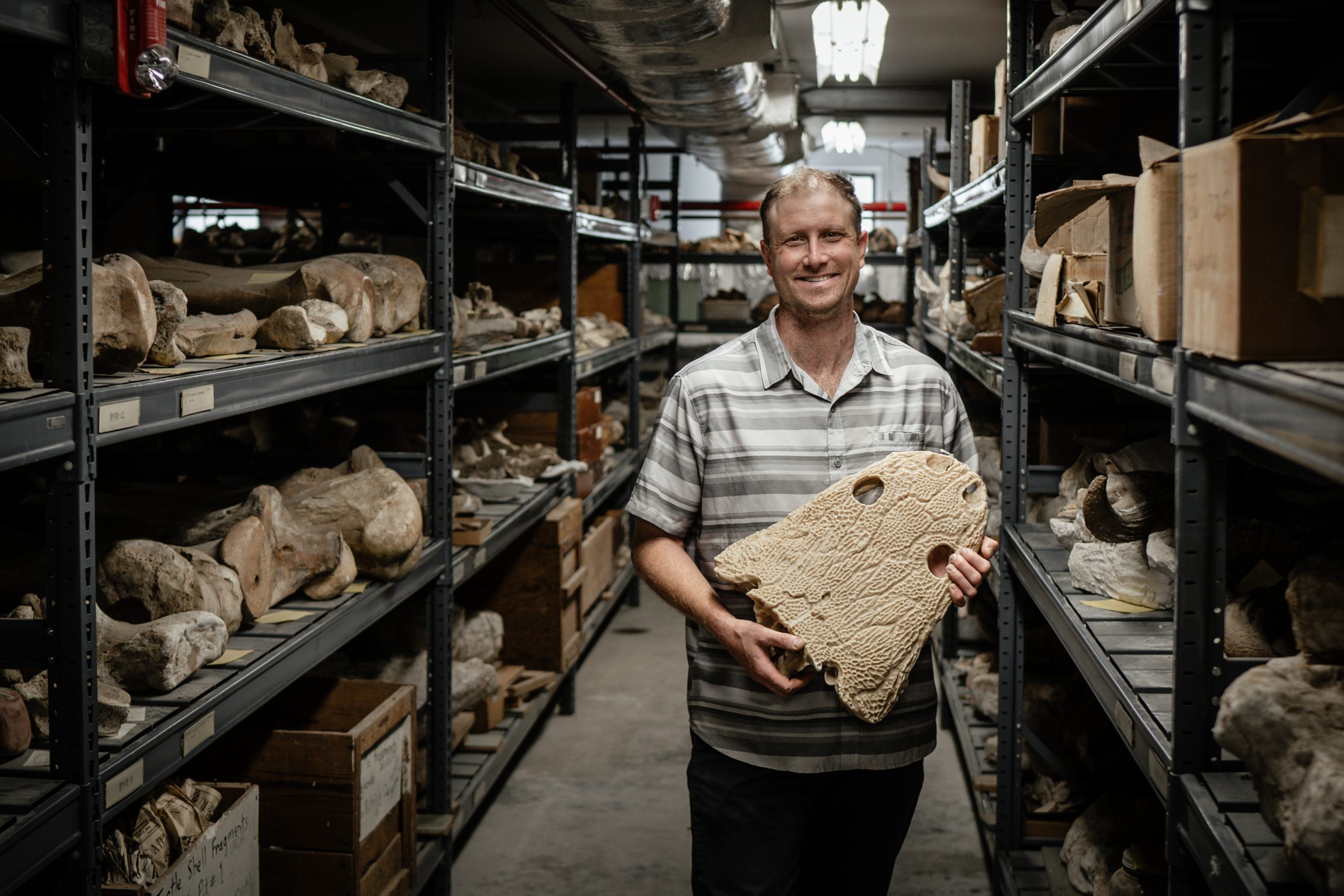
Kligman likens his search for fossils like angling for a big fish. Sure, it’s possible to get lucky with a random cast. But your chances are better if you know something about a fish’s lifestyle, behavior and habitats.
The analogy is wielded with some experience. Kligman is an avid fisherman. Growing up, he dreamed of being an ichthyologist, a biologist who specializes in studying fish. He became seriously interested in paleontology when he was in high school after coming across a geological field trip guide to the Newark Basin of southeastern Pennsylvania in his dad’s office.
He learned that many historical fossil sites were practically in his backyard. Kligman hopped on his bike to start exploring for fossils and hasn’t stopped since.
During his expeditions, Kligman has been part of notable fossil finds. While a postdoctoral researcher at the National Museum of Natural History, he led research on North America’s oldest known flying reptile, a seagull-sized pterosaur called Eotephradactylus mcintireae. (As the TxVP director, he now holds the keys to fossils from of the world’s largest flying reptile, Quetzalcoatlus northropi.)
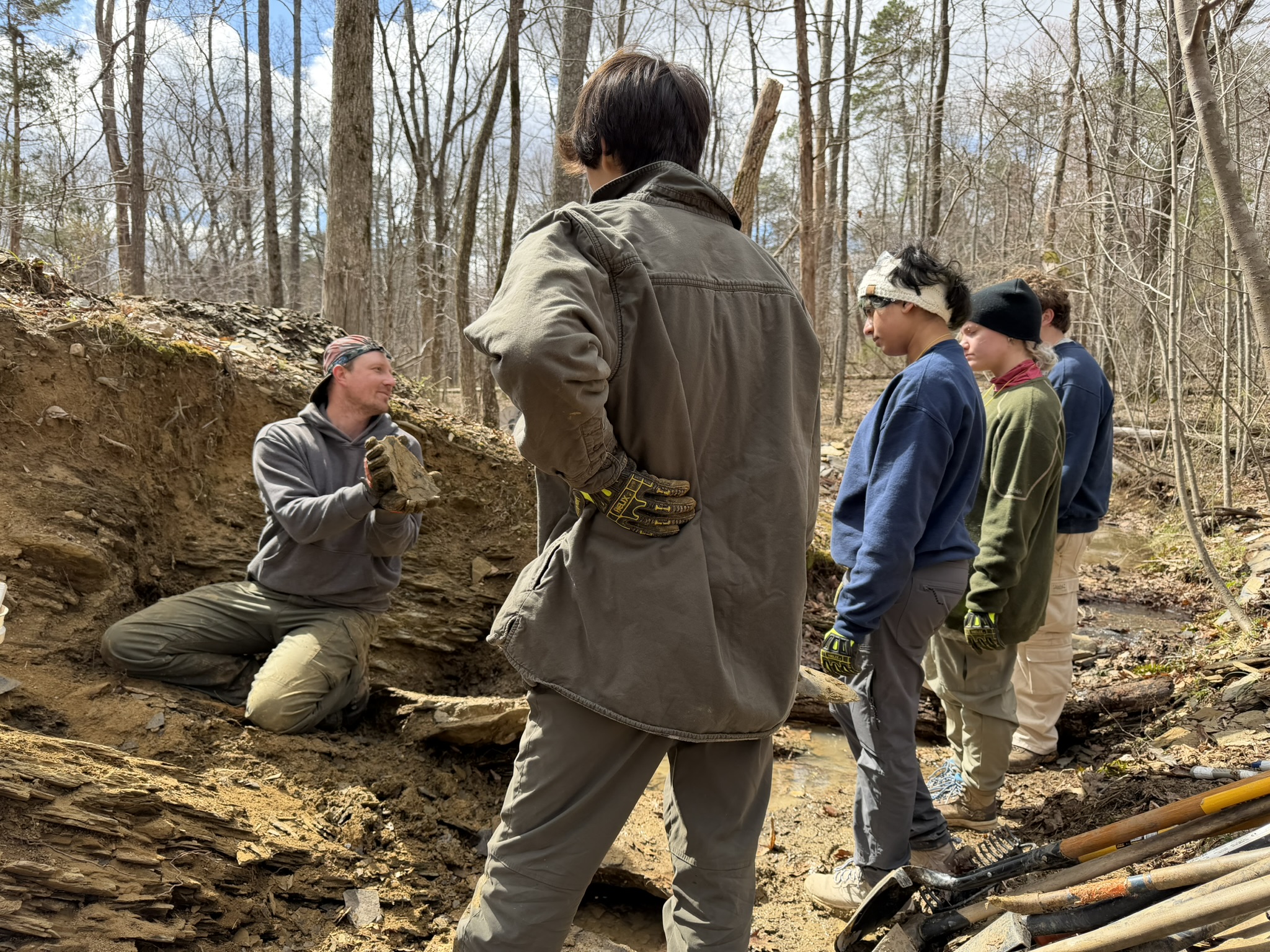
In addition to curating the over 2 million fossil specimens in the collections, Kligman will be teaching students at the Department of Earth and Planetary Sciences as an assistant professor of practice. He is also looking forward to revamping opportunities for student field work in vertebrate paleontology. This past spring break, Kligman traveled to Virginia accompanied by four Jackson School undergraduates to unearth fossil fish and reptiles dating back to 201 million years ago, shedding light on the mysterious aftermath of the end-Triassic mass extinction.
Kligman said that he is particularly interested in using the collections to build an awareness and interest in paleontology across the UT campus.
“Paleontology is a gateway science. It brings people in of all sorts,” he said. “You don’t have to be a geoscientist at all. A lot of paleontology has to do with genetics, chemistry, physics, art, and communication. So, I’d like to use my job here to build community around the collections and use the resources of the collections to do all those things.”