
Optimal Incentives for Carbon Capture and Enhanced Oil Recovery
December 13, 2025
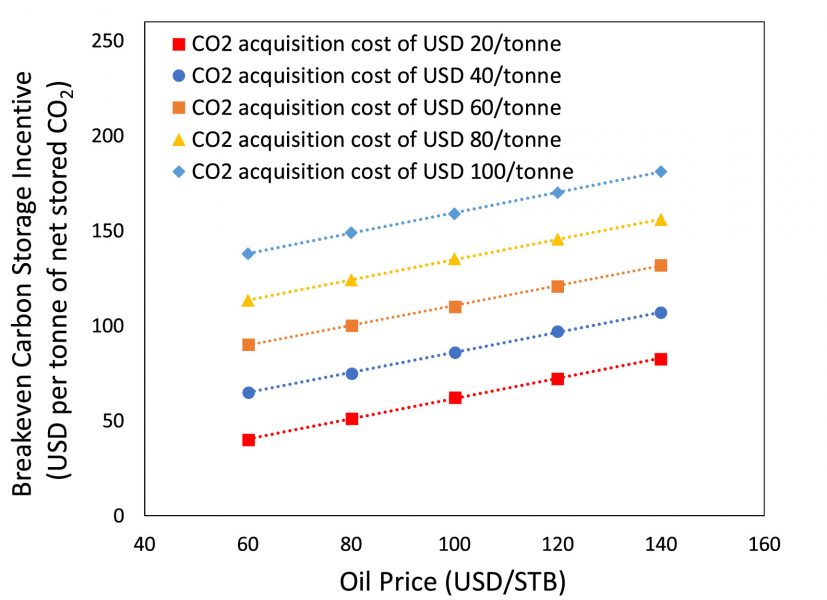
Carbon capture, utilization and storage (CCUS) combined with enhanced oil recovery can help energy production and reduce carbon emissions. But new research shows that it is unlikely to be economically viable and environmentally beneficial without the right economic incentives.
The practice involves using anthropogenic carbon dioxide (CO2) to inject into oil fields to help extract oil and store the carbon dioxide underground. Researchers found that uniform incentive systems, such as the current 45Q tax credit system, don’t lead to the best environmental outcomes.
This study focused on the interplay between economic and environmental outcomes and found that a tiered, performance-based incentive that was sensitive to oil prices and the cost of acquiring CO2 offered the best results.
Research by Research Assistant Professor Abouzar Mirzaei-Paiaman; Professor Larry Lake; Director Lorena Moscardelli
Bureau of Economic Geology, Cockrell School of Engineering
Study published in May 2025 in the International Journal of Greenhouse Gas Control