
Cities Are Rainfall Magnets
December 13, 2025
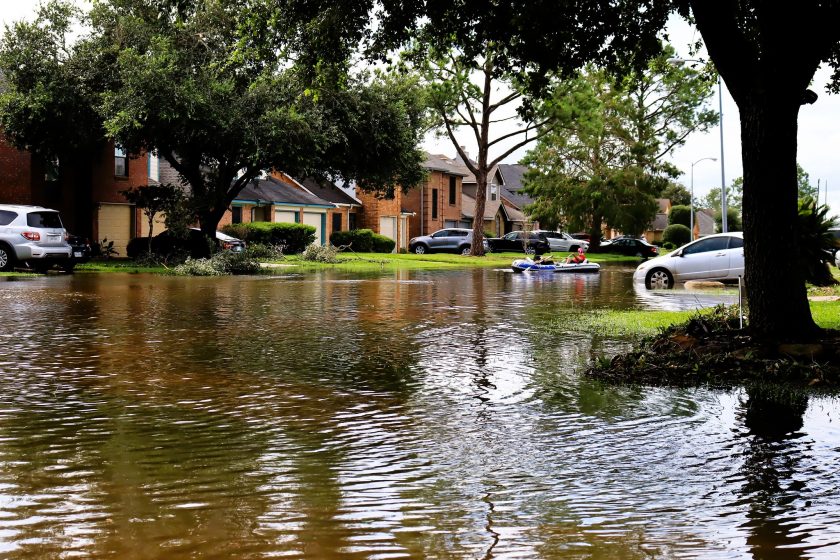
The effect of urbanization on temperature is relatively well known, with cities often measurably warmer than their surrounding rural areas. What fewer people know is that there is also an urban precipitation anomaly, where the presence of urban development measurably affects the amount of rainfall in an area.
Research that looked at 1,056 cities across the globe found that more than 60% of them receive more precipitation than their surrounding rural areas. In some cases, the difference is significant. For instance, Houston, on average, receives almost 5 inches more rain per year than its surrounding rural areas.
This could have wide-ranging implications, including worsened flash flooding in densely built areas.
In addition to Houston, the list of big cities with the largest precipitation anomalies includes Ho Chi Minh City, Vietnam; Kuala Lumpur, Malaysia; Lagos, Nigeria; and the Miami-Fort Lauderdale-West Palm Beach metropolitan area.
There are several reasons most cities receive more rainfall than their rural neighbors, including the presence of tall buildings, which block or slow wind speeds. This leads to a convergence of air toward the city center.
Doctoral Student Research by Xinxin Sui; Professor Dev Niyogi; Professor Zong-Liang Yang
Cockrell School of Engineering, Department of Earth and Planetary Sciences
Research published in September 2024 in the Proceedings of the National Academy of Sciences
Back to the Newsletter