


GeoFORCE Summer Wrap-Up 2026
August 28, 2026
Every summer, GeoFORCE gives students the chance to take learning beyond the classroom and into the real world. This year, students traveled across Texas, the American Southwest, and the Pacific Northwest, exploring everything from state parks and coastlines to volcano observatories, research facilities, and university campuses.
While each academy offered a unique experience, they shared a common goal: helping students explore science through hands-on learning, discover new places, and gain a better understanding of the opportunities available to them in higher education and future careers.
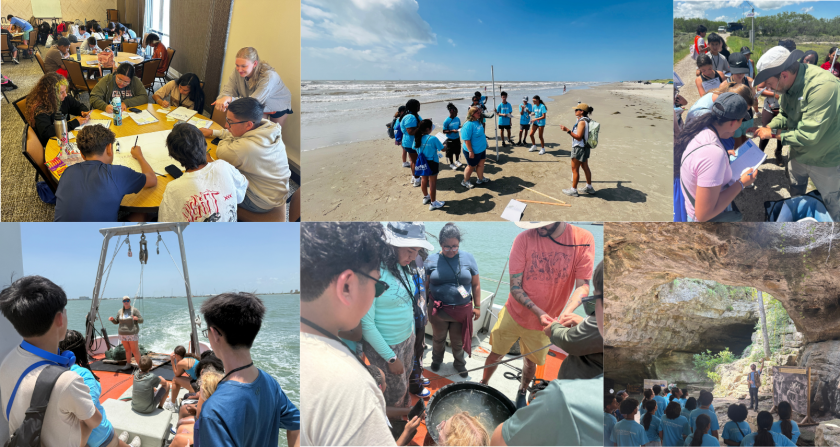
The GeoFORCE journey began close to home for ninth-grade students, who explored some of Texas’ most recognizable natural landmarks, including Enchanted Rock State Natural Area, Pedernales Falls State Park, and Mustang Island. Each stop introduced students to different geological environments and provided an early glimpse of what learning in the field can look like. For many participants, it was their first opportunity to experience science outside a traditional classroom setting and the first step in their GeoFORCE journey.
This year, GeoFORCE renewed its partnership with UT’s Marine Science Institute, giving students the opportunity to explore marine science aboard its flagship educational vessel, the R.V. Katy. We also introduced renewable energy as a new area of study, with a tour of Ørsted’s solar and wind farm. Along with our other outstanding field experiences, these new additions gave students exposure to a broad range of geoscience topics and showed them how these concepts connect to the world around them.
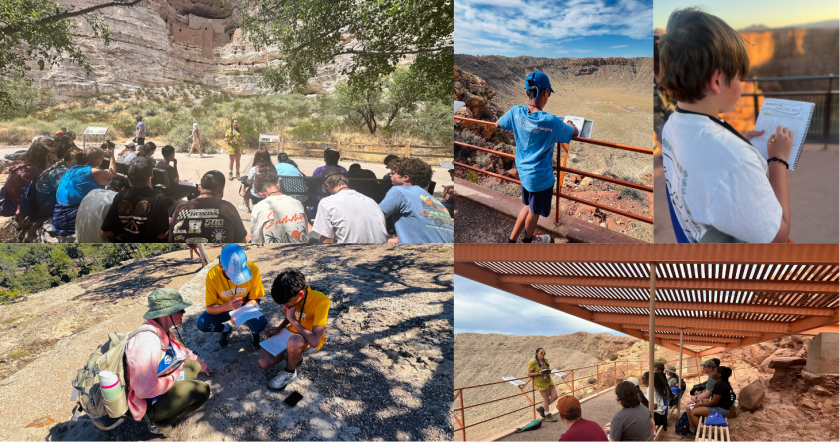
Tenth-grade students expanded their horizons with a trip through Arizona and Utah, visiting destinations such as the Grand Canyon National Park, Zion National Park, Bryce Canyon National Park, Barringer Crater, Glen Canyon Dam, and our new stop, Montezuma Castle. From towering rock formations to evidence of ancient impacts and large-scale engineering projects, students encountered firsthand examples of how geology, engineering, and natural processes shape the world around us. The experience helped connect classroom concepts to real-world challenges and solutions.
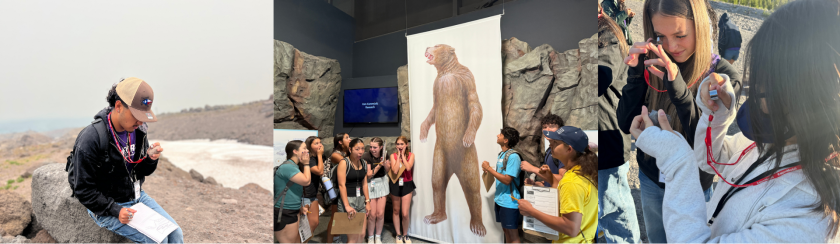
The journey continued for eleventh graders in the Pacific Northwest, where they explored a diverse range of natural environments and scientific facilities. This year, the academy underwent a significant redesign, with new experiences focused on natural hazards and how scientists study and communicate risk.
Visits to the Cascades Volcano Observatory, Mount St. Helens, Rowena Crest, The Flood Safety District and the Oregon coast gave students firsthand opportunities to learn about volcanic activity, water systems, natural hazards and environmental management.
By broadening the focus to include both the science behind natural hazards and the ways scientists communicate risk to the public, the academy gave students a new perspective on the role geoscience plays in understanding and preparing for the world around us.
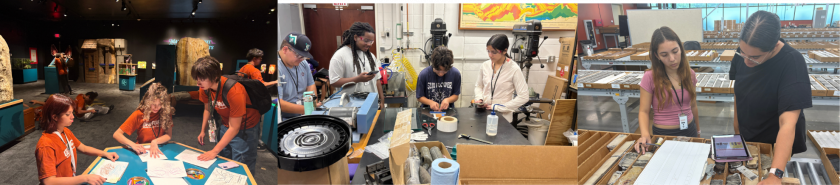
As students progressed through the program, the focus shifted from exploration toward future opportunities. Twelfth-grade participants spent time at The University of Texas at Austin and the J.J. Pickle Research Campus, gaining insight into research, higher education and careers in the geosciences.
During the academy, students selected research topics and explored a variety of research methods, including laboratory research, data analysis and fieldwork. At the end of the week, students presented their research at the 2026 GeoFORCE Symposium, with the opportunity to continue their GeoFORCE experience in December and attend the American Geophysical Union (AGU) national conference. These experiences gave students a closer look at life beyond high school and helped them see how their interests in science could translate into college pathways and careers.
This year, we also expanded our research offerings with new projects in planetary geology, marine science and engineering geology, adding even more opportunities for students to explore the many directions a career in the geosciences can take.
The summer ended with the Math and Science Institute (M&SI) Academy, which supports GeoFORCE alumni as they prepare to begin college. Through coursework in Chemistry, Calculus and Physics, students strengthened their foundational skills and gained confidence ahead of their first semester.
At the same time, students registered for the in-person academies participated in a weeklong Virtual Academy. Through virtual sessions, they developed valuable skills in areas such as GIS and programming.
Together, these opportunities reflect GeoFORCE’s commitment to supporting students throughout high school and helping them make a successful transition into higher education.
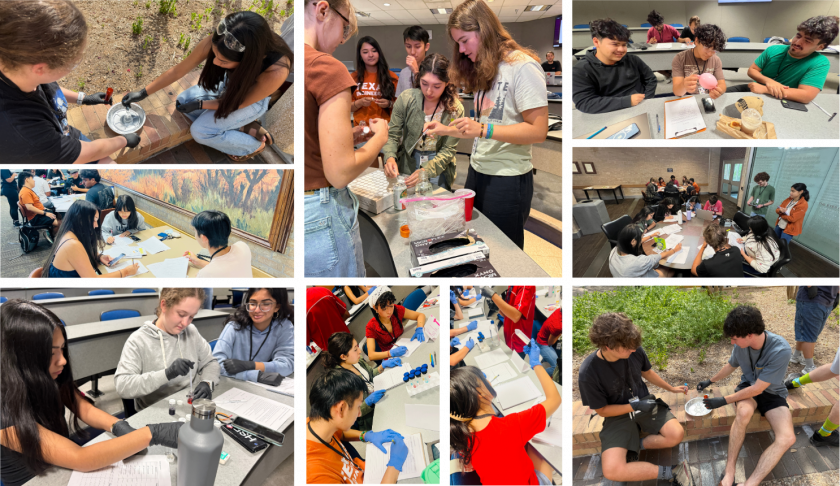
2026 Math and Science Students Participating in Hands-On Educational Activities
Looking back, it is easy to remember the destinations visited throughout the summer, yet the true value of these academies extends far beyond the places themselves.
Across every academy, students asked questions, worked alongside instructors, built friendships, and experienced science in ways that cannot be replicated inside a classroom. They explored unfamiliar environments, gained confidence in their abilities, and discovered new possibilities for their future. Whether they were beginning their first GeoFORCE academy, preparing for college, or taking the next step toward a career pathway, each student had the opportunity to learn through experience.
As the 2026 summer academies come to a close, students return home with more than memories of the places they visited. They carry with them new knowledge, greater confidence, meaningful connections, and a broader understanding of the opportunities available to them. The trips may have ended, but the impact of those experiences will continue long after the summer is over.
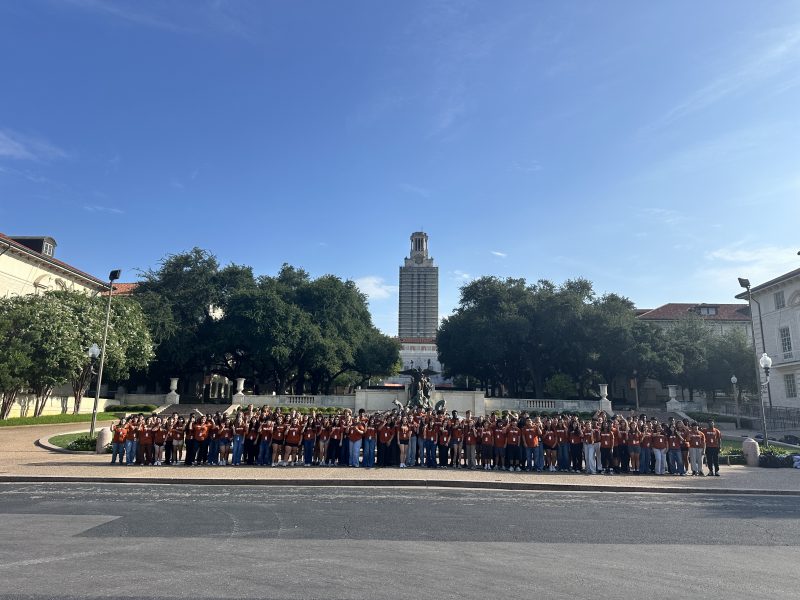
Hook ‘ em
Written by Akeem Todd