

Research and Outreach Program Returns to Jamaica for Second Year
By UT Associate Professors Ashley Matheny, Rowan Martindale and Melissa Kemp (College of Natural Sciences)
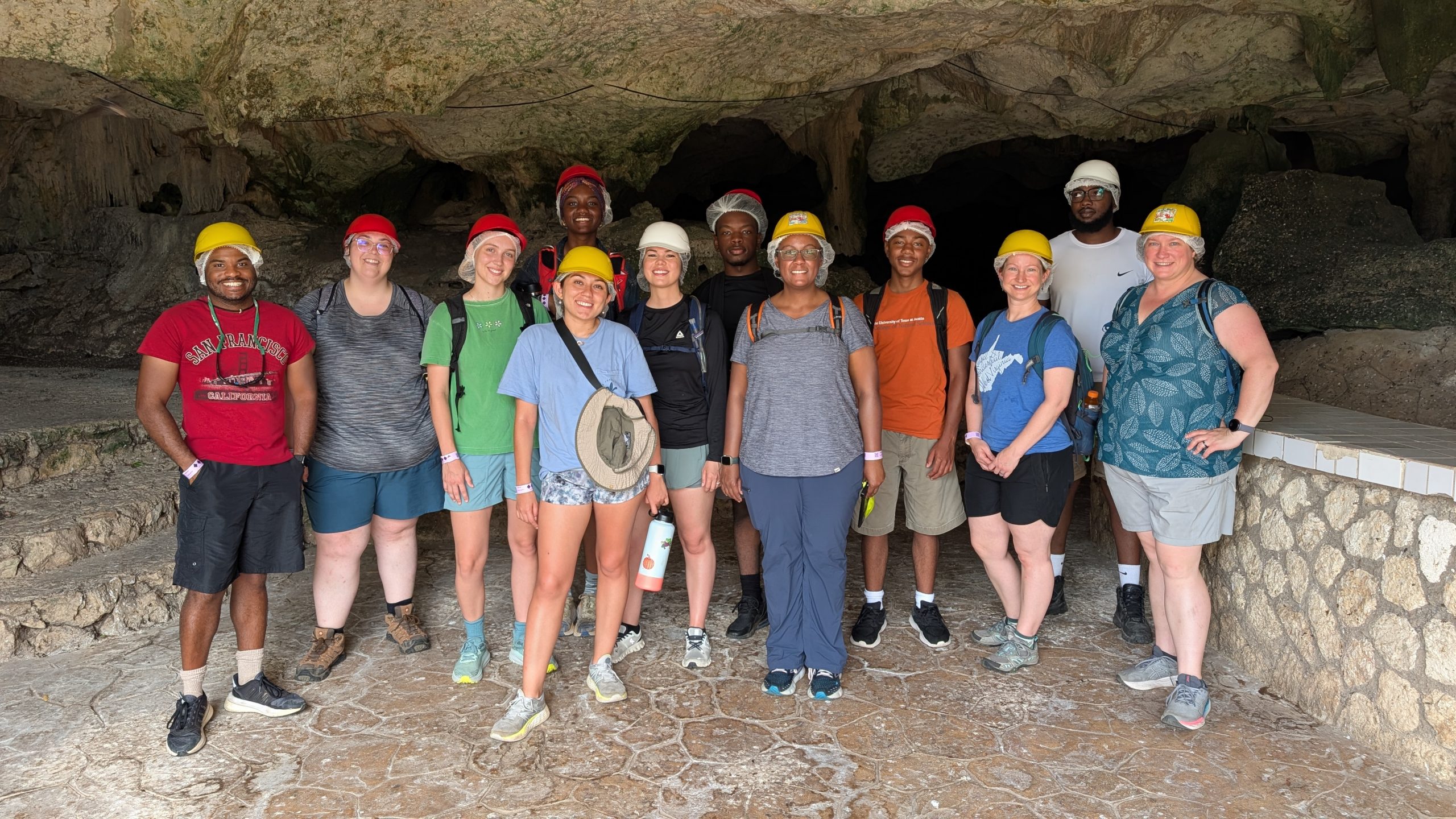
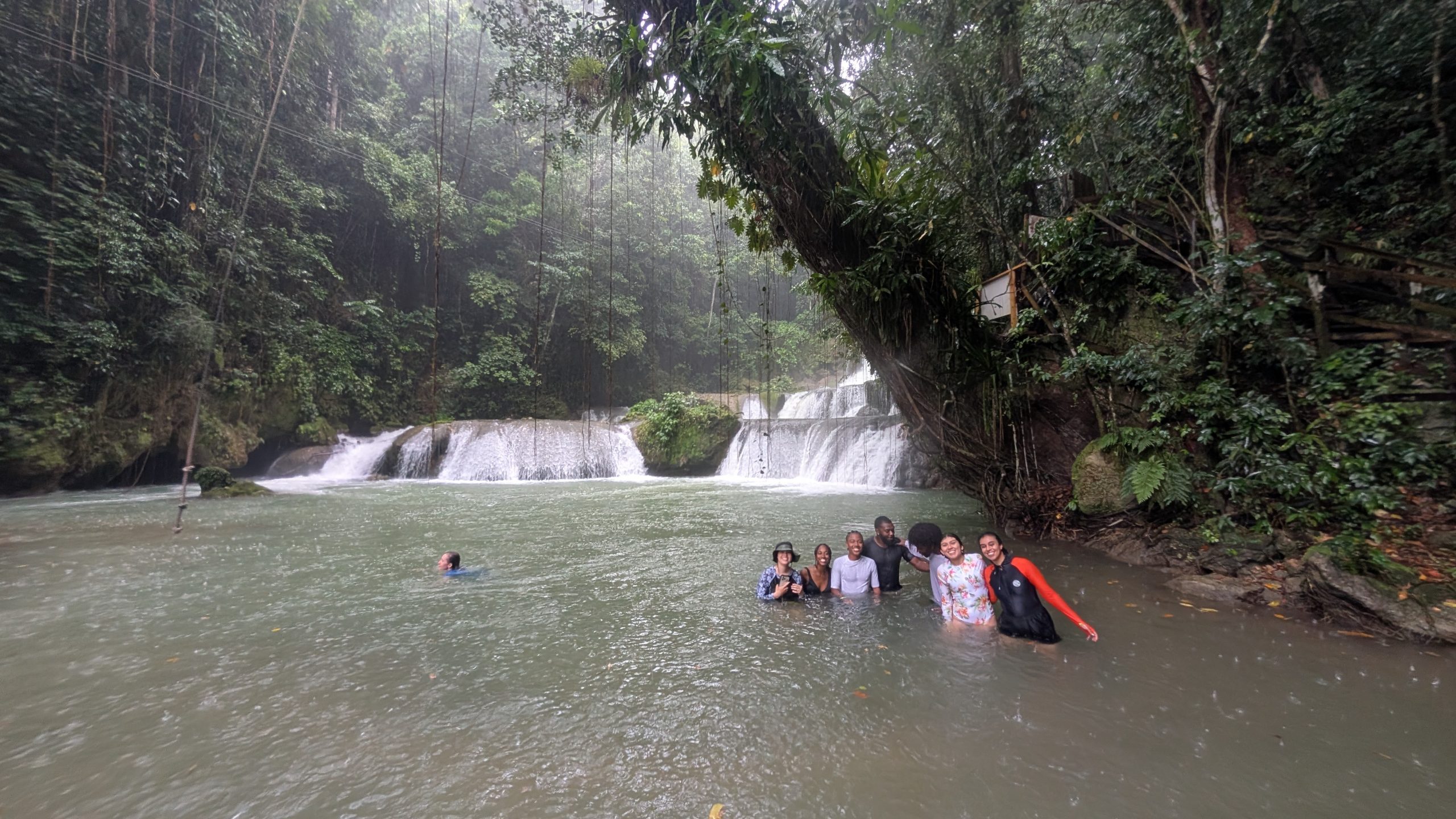
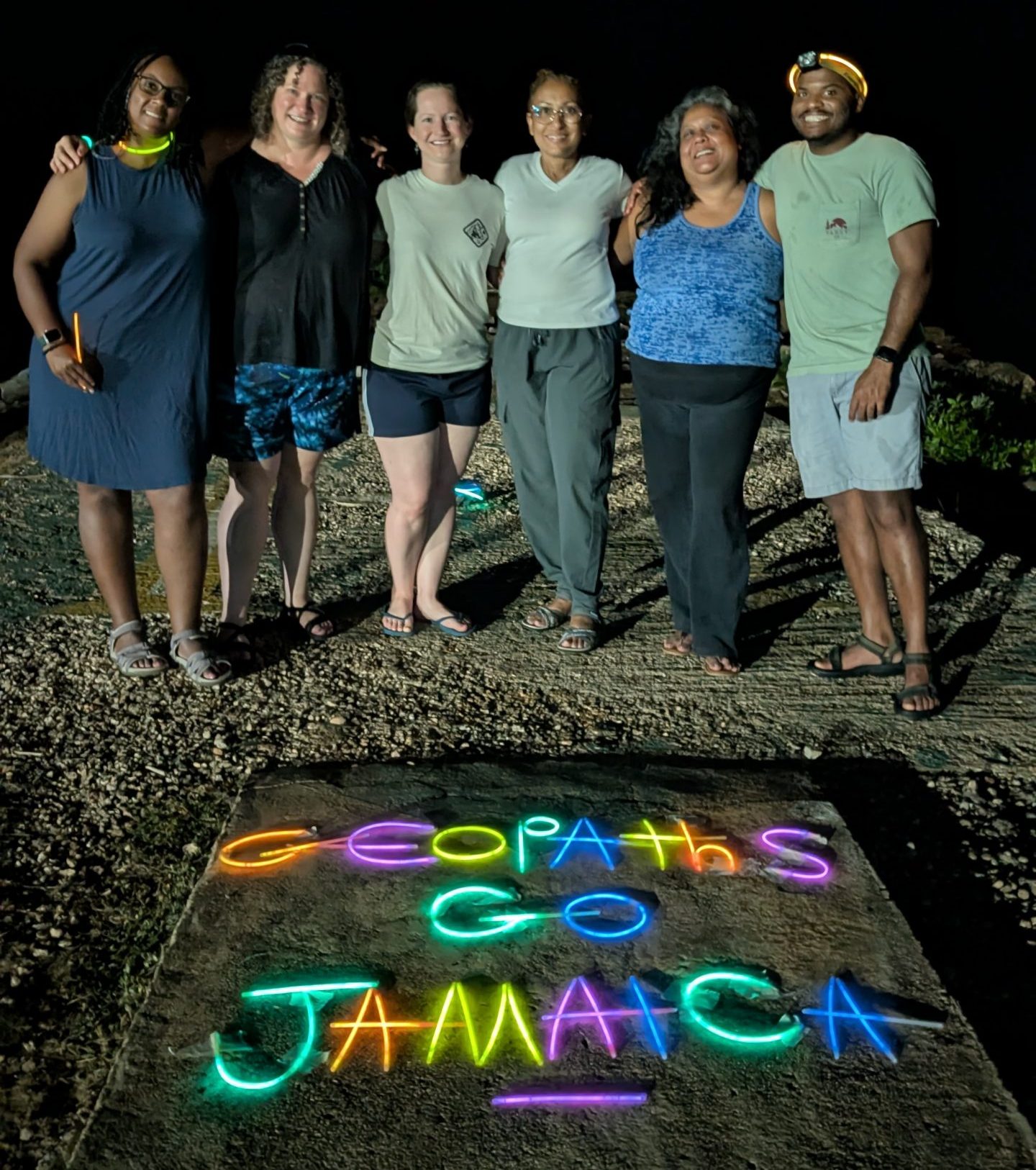
GEOPAths GO Jamaica is an NSF-supported program to introduce students to the geosciences by working on conservation projects with communities in Jamaica. This project was inspired by friendship and camaraderie. PIs Rowan Martindale, Melissa Kemp and Ashley Matheny were already conducting research in Jamaica and sought an avenue to collaborate with each other while also exposing students who would not typically have an opportunity to conduct Earth science research to the field. Our fourth PI, Leah Turner, is a friend and social scientist who is studying the impact of these field experiences on the academic and career trajectories of our student participants.
Undergraduate and graduate students from the U.S. and Jamaica collaborate with researchers and conservation experts to solve environmental problems. The research team meets throughout the summer and spends 2-3 weeks in Jamaica working with local colleagues to study coastal ecosystems. Our research focuses on modern coastlines, integrating research on coral reefs, river chemistry, mangrove forests, and other ecosystems as well as paleontological records of Jamaica’s past ecosystems (Pleistocene reefs and fossil terrestrial communities). Geoscience is often at the intersection of many different disciplines, so our activities combine hydrology, chemistry, biology, oceanography, paleontology, ecology, and other Earth sciences to connect integrated environmental systems and understand the natural world at the Jamaican coastline. The team works closely with the locals, both scientific experts and local community members, to develop sustainable goals for healthy Jamaican coastlines and communities while teaching everyone about geosciences. These unique experiences can be incredibly meaningful to the students and community members.
This is our second year of the program. The team included partners from The University of Texas at Austin; The University of the West Indies (UWI), Mona; Georgia Institute of Technology; and the UWI Discovery Bay Marine Lab.
The University of Texas at Austin
Web Privacy | Web Accessibility Policy | Adobe Reader