
REFLECTING
ON 20 YEARS
Sharon Mosher,
Dean emerita
On the creation of the school:
“The hardest part of becoming a school was that we were three distinctly separate units with different missions, business models, cultures and traditions that previously had totally different reporting structures and only a few knew others outside their unit. Merging these while maintaining our identities was a monumental task. UT had set up an external vision committee of highly well-known, prestigious people to decide what we should do with this endowment, and to grow. And to be honest, they recommended that we should become like Caltech. ‘We need to hire a whole bunch of National Academy members, dismiss people who were already here, and just build a totally new, totally different school.’ I still remember being in a meeting with members from the other units and all agreeing, ‘We can’t do that. We’re a department in a major university with a huge undergraduate program. We can’t just say we’re not going to teach undergrads anymore.’ The bureau is the state survey, ‘We can’t just quit doing applied research.’ So collectively, we agreed we had to do it our way — and we did!”
On hard habits to break:
“Even alumni struggled to realize that the Jackson School wasn’t just the department. I swear it was 10 years later and people were still saying, ‘The Jackson School and the bureau,’ ‘The Jackson School and the institute.’ No, they are part of the school.”

April Duerson,
Alumna and FANS board member
On her fondest memory as a student:
“I am proud that I got the vegetarian Dr. Helper to go pescatarian for the first time on our field camp. One time I made a raspberry chipotle grilled salmon, and I fried chicken also. They used to give us $100 a week or so to buy groceries for our group, and there was a little cooking area. Most people are making sandwiches with their $100. And April’s making four-course gourmet meals out in the wilderness.”
On getting out of her comfort zone, and personal growth:
“If you had asked anyone who knew me 25 years ago when I graduated from high school — that you would have seen this sorority girl out in the field with a hard hat and a sledgehammer, they would have said, ‘April who?’ Because of the Jackson School and burning my perfectly perfect skin on a six-week field camp, I have learned that I actually enjoy wearing coveralls and getting my hands dirty.”
 Elliot Pew
Alumnus and
Advisory Council Member
On his proto-Jackson School student experience:
“When the department was a lot smaller when I was in school, the Bureau of Economic Geology was up on the top floor of the geology building. I was a research assistant there. I’d go to class, stay in the building, push the elevator button and go up to the top floor and go to work. I was also a Marine Science Institute student. And over the years, especially after the bureau and UTIG moved up to the Pickle Research Campus, it felt that we were maybe losing some of the closeness of the ties beforehand.
When the Jackson School was formed, I was really enthused about bringing these units under one umbrella where it mimicked much more of what my student experience was. For me, it was a little bit like going to Luby’s. You could get fried chicken, you could get lemon meringue pie, and you could get a cloverleaf roll. You could have it all, if you wanted. That was a stimulating environment. You could go in a lot of different directions. That would really allow students to replicate some of the experiences that were so formative to me. But not at the scale as it was for me as a student in the late ’70s, but at a scale way beyond that.”
 Julia Gale,
Research Professor
Bureau of Economic Geology
On leaving the College of Natural Sciences and forming its own school:
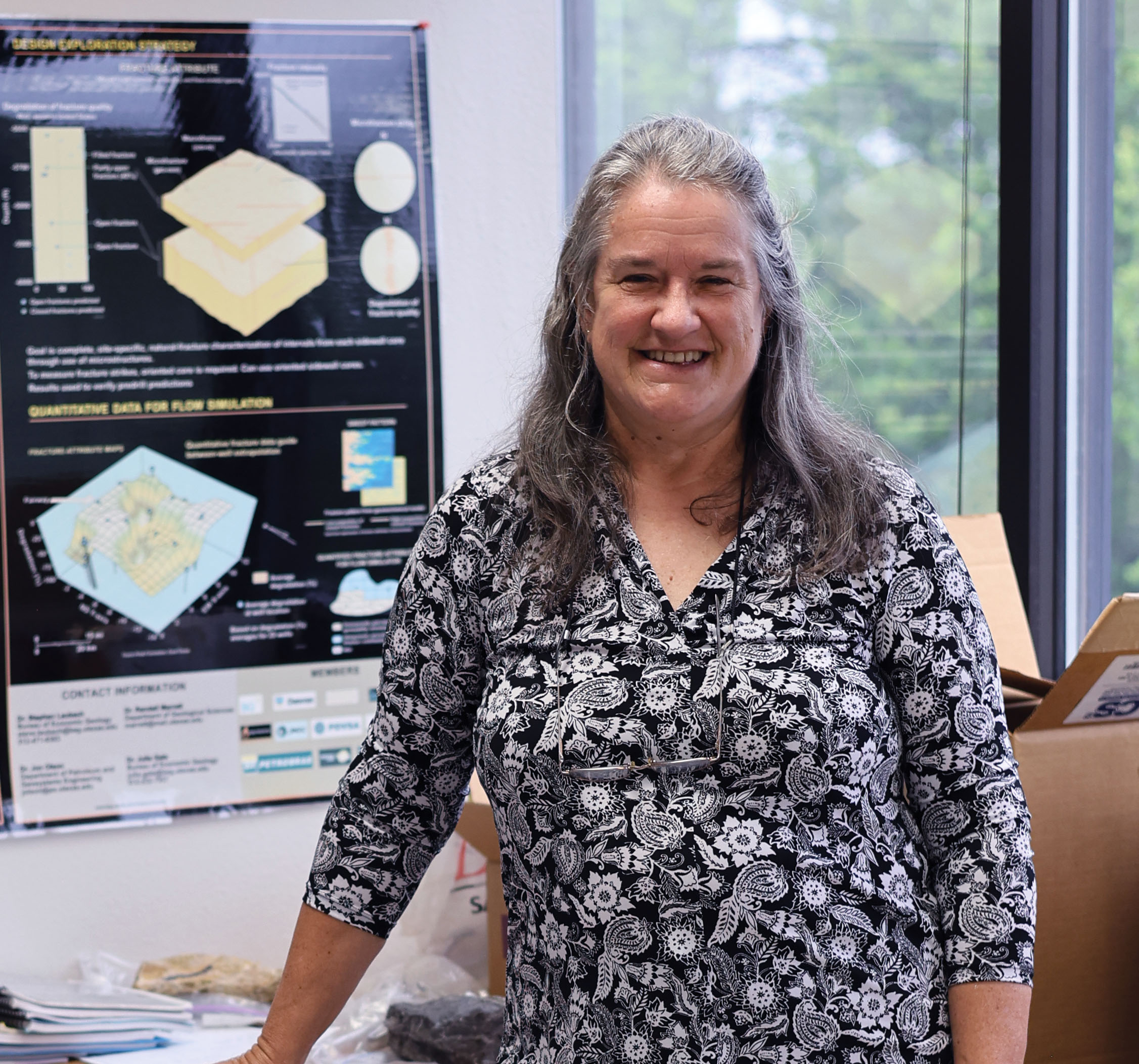
“I remember people outside the geosciences were somewhat upset they didn’t get what they wanted, and there were lots of people with agendas, and ideas of how it should be. But we had some really strong people. We had Bill Fisher and Scott Tinker, amongst others, who knew exactly what Jack Jackson wanted. And they were not going to allow it to be grabbed by somebody else.”
Jamie Austin
Research Professor
Department of Earth and Planetary Sciences
20 years in, the good:
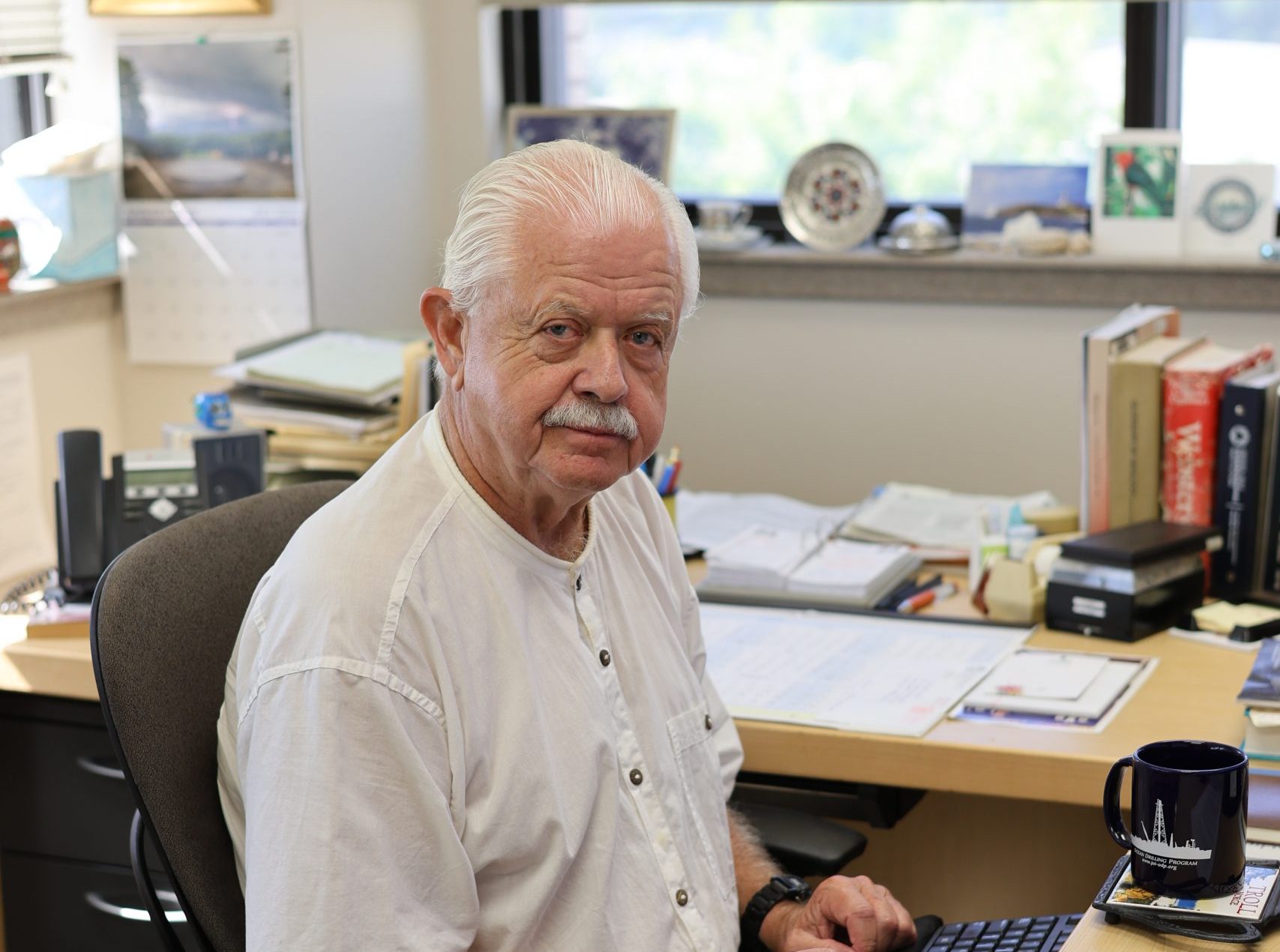
“The breadth of what we’re doing here is spectacular. There isn’t any Earth science effort in the world that gets close. Individual investigators here are the best in the world. From water to plate tectonics to dinosaurs — to water. There are people here that are world experts in just about every phase of Earth science. Is that exciting? Sure. If you want to go to a talk on just about any piece of Earth science, just wait. Just hang around here for a month.”
20 years in, what could be better:
“We have a good reputation, but I think sometimes we sit on it. I think the Jackson School could push harder. We could work
better together as units. I don’t think anywhere near enough effort is put into that. I don’t think enough incentive is put into it, to work together. And by incentive, I mean money. You’ve got to put money into having people work together.”
 Daniella Rempe
Alumna and Associate Professor
Department of Earth and Planetary Sciences
On what it felt like to be a Jackson School student 20 years ago vs. now:
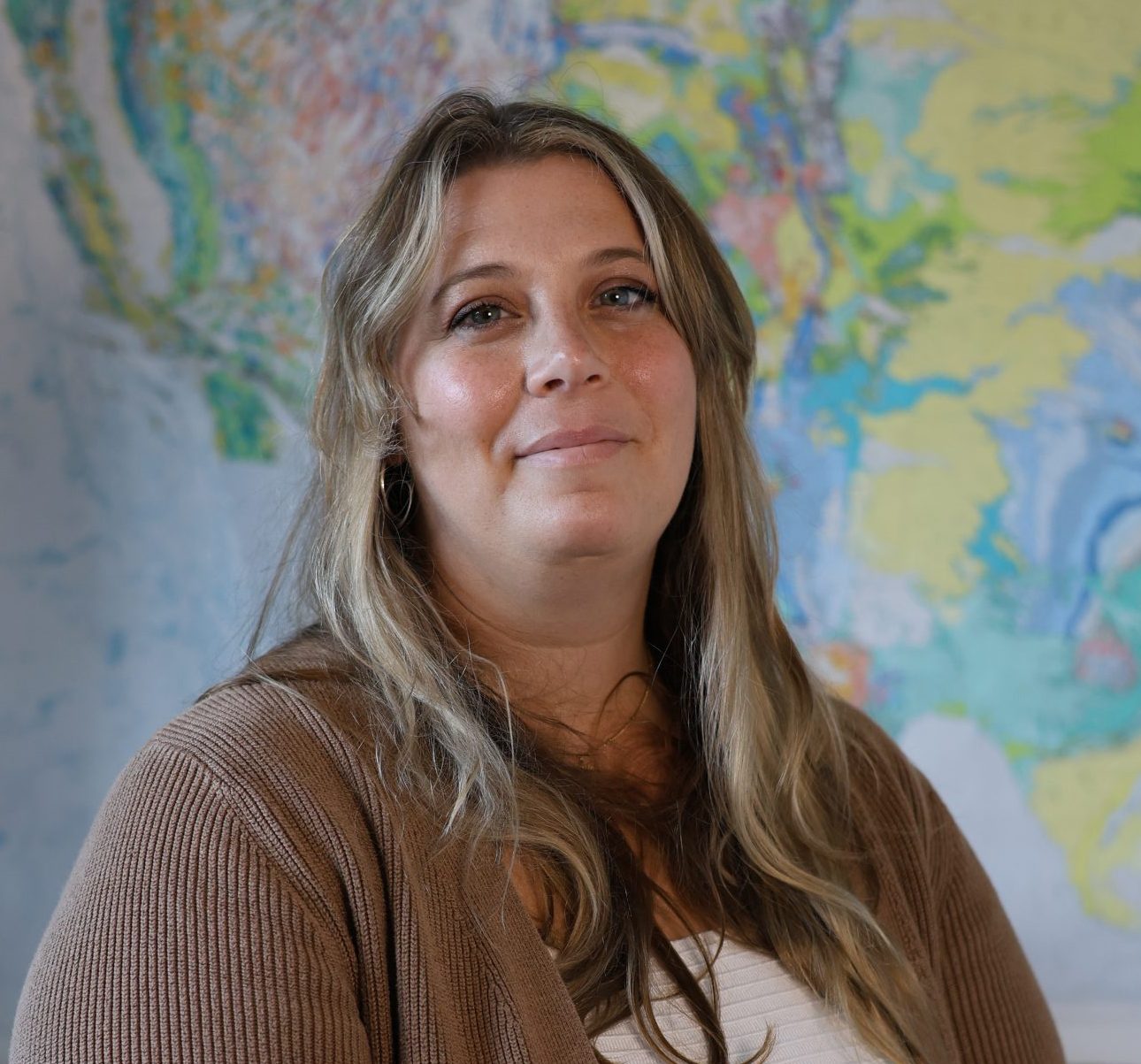
“I remember hoping that in building the Jackson School, it would help to create a community, to make UT feel smaller. And I think that has been achieved. I think the students now feel pride in the Jackson School. I think they understand the weight of what they’re walking into — that it’s THE Jackson School, the premier geosciences institution. I didn’t understand the strength of the Jackson School at the time.”
Chris Bell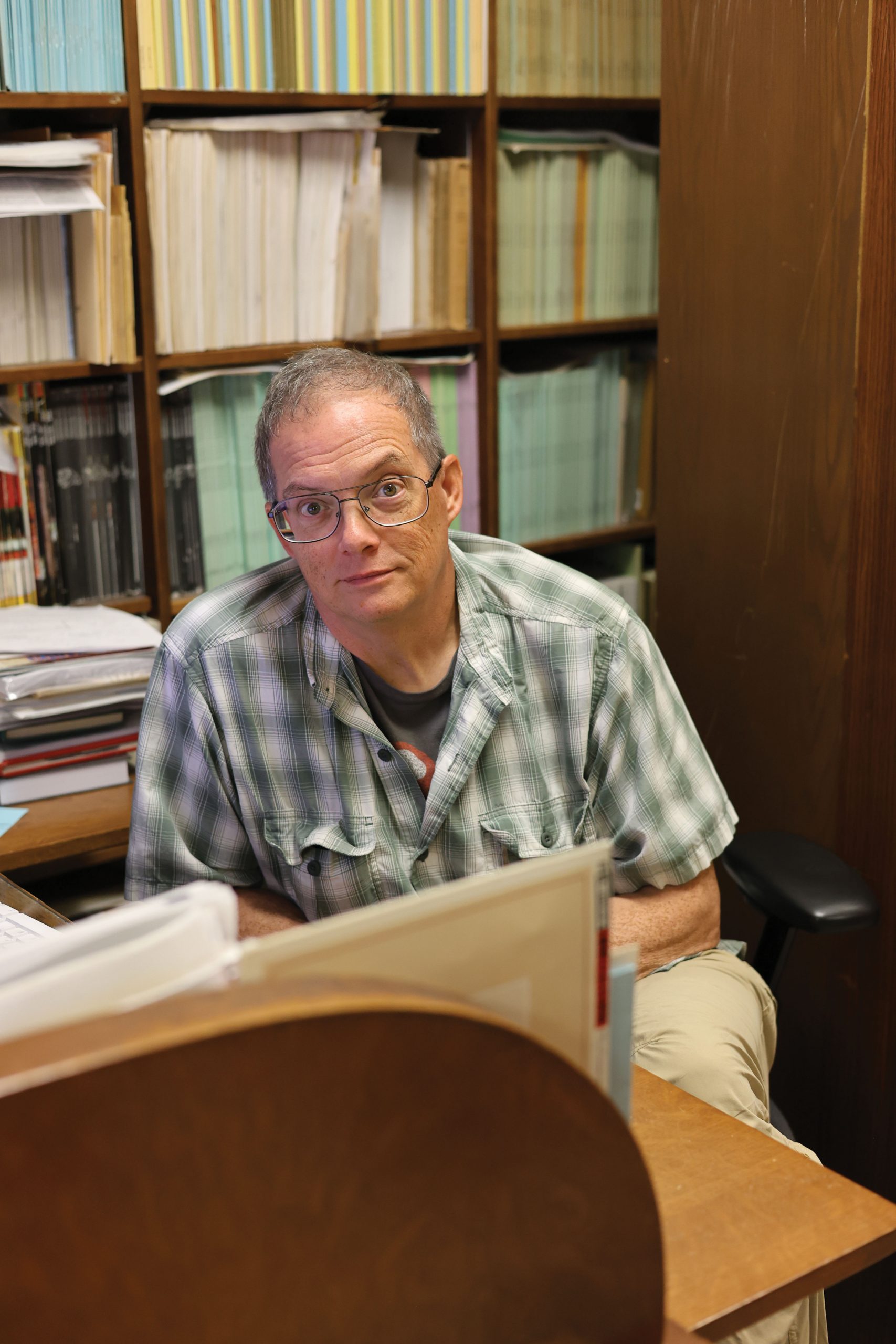
Professor
Department of Earth and Planetary Sciences
On hiring 17 new faculty members
after the department became part of
the Jackson School:
“It was nuts. The immediate recognizable direct result of that was that the community that had been the department before that was necessarily destroyed, because you can’t hire that many people and integrate them into the culture of a department that quickly. And so what happened instead is we had the people who were already here who had been assimilated into the department’s culture, which was largely one of mutual respect and
open communication. And we altered that and transformed that into two communities: the old school people and the new people that came in. And that was interesting. And it was divisive in an interesting way. We brought in good people. We brought in smart people. I don’t have complaints about who we had come in. That’s not the point. But that was not how we should have used that money.”
The University of Texas at Austin
Web Privacy | Web Accessibility Policy | Adobe Reader