Student Opportunities
Join the Research Team
We are recruiting motivated students to join an NSF-funded project investigating active fault systems in central Nepal. This is a rare opportunity to work at the intersection of structural geology, geomorphology, and seismic hazard in one of the world’s most tectonically active regions.
Currently, one funded MS or PhD graduate position is available. Applications reviewed through UT Austin’s formal admissions process.
One paid summer research position each year at UT Austin (three over the project), open to students from any institution through the NextStep Geosciences Program. Pomona College students can also join the project through academic-year and field opportunities with Dr. Haproff.
Annual fieldwork campaigns in the Himalayas for qualified students at all levels.
Information for Graduate Students
How to Apply
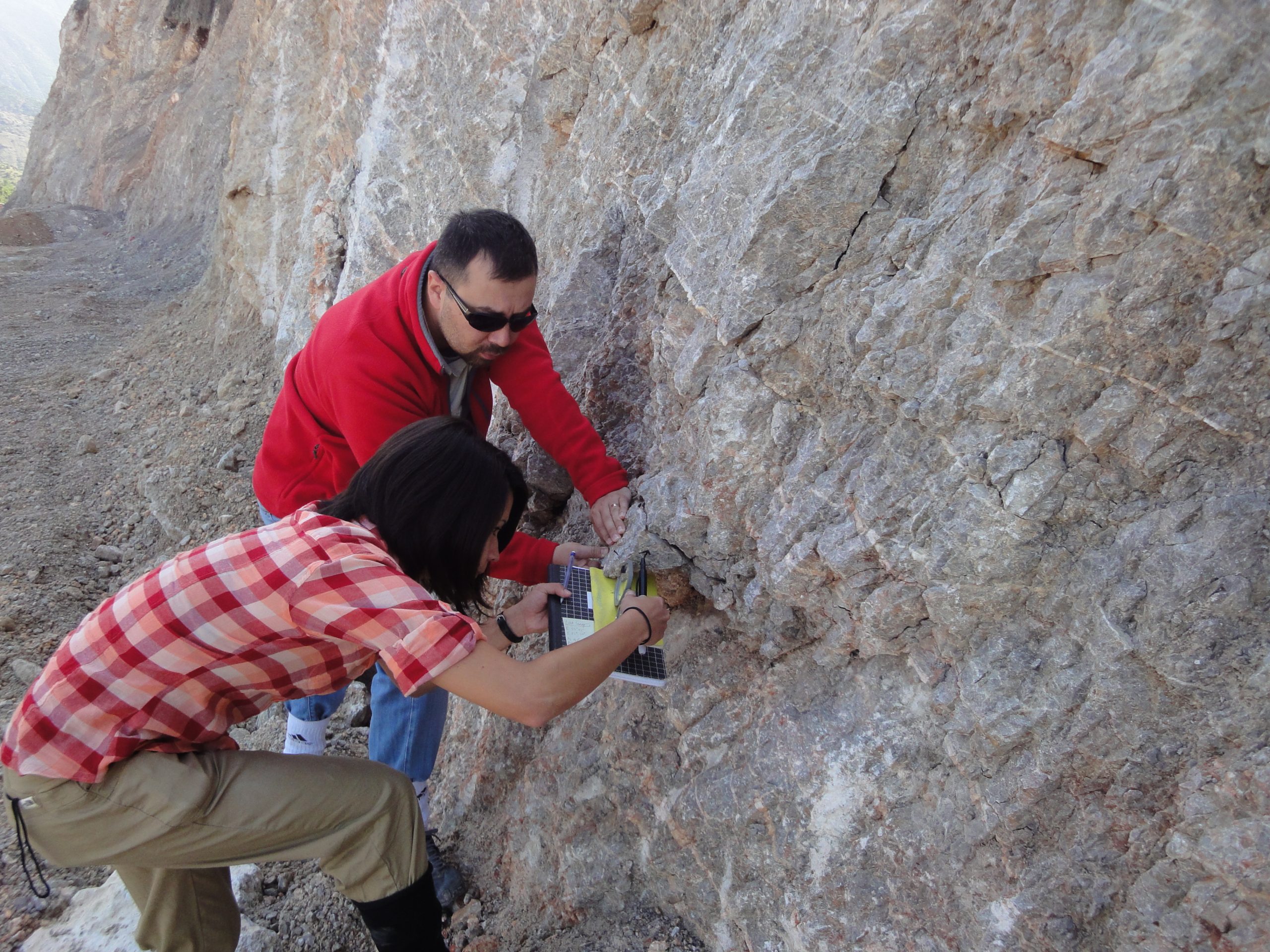
What We’re Looking For
Graduate Students: Frequently Asked Questions (FAQs)
Find answers to the most common questions about this graduate student opportunity. If you can’t find what you’re looking for here, please contact the PIs on the project team.
Graduate students will investigate the origin, geometry, and significance of Himalayan lineaments using an integrated combination of field geology, structural analysis, geochemistry, geochronology/thermochronology, and GIS/remote sensing. Individual thesis or dissertation projects will be developed around specific research questions within the broader NSF project.
The NSF project provides 12-month Graduate Research Assistant support at 50% FTE (20 hours/week) throughout the three-year project, including salary, fringe benefits, and tuition and fees. The graduate student will be supported to develop geospatial datasets, participate in field and laboratory research, conduct geochemical and geochronological analyses, analyze data, and contribute to publications and presentations.
Research expenses are also built into the project. The budget supports four weeks of fieldwork in Nepal each year, including airfare, visas, field logistics, lodging, transportation, permitting, and overseas insurance. The student is also funded for analytical work at UT Austin and other facilities, including travel to UCLA for SIMS analyses, as well as conference travel to present project results at AGU.
Graduate students will receive structured research and professional mentoring, rather than simply being assigned a research problem. Mentoring will be focused on technical expertise, professional confidence, and preparation for careers in academia, applied geoscience, government, or industry. The graduate student will also gain mentoring experience by supervising undergraduate researchers participating in the project.
At the beginning of the project and each subsequent year, the research team will hold a project kick-off meeting to establish roles, expectations, goals, and research milestones. Students will receive structured onboarding and training in laboratory procedures and safety, research ethics, data acquisition and management, and responsible conduct of research. Weekly lab meetings will provide opportunities to discuss progress and troubleshoot research challenges.
Professional development is also part of the project. Students will maintain an Individual Development Plan (IDP), receive support for proposal and CV/resume development, visit advanced analytical facilities, participate in conferences, and be encouraged to pursue internal and external research funding with PI guidance. Funding is specifically allocated for graduate-student-led publications, fieldwork, and conference participation.
Fieldwork in Nepal is an important component of the project, with four-week annual field campaigns planned during the award period. Graduate students should expect to work with U.S. and Nepal-based collaborators to map structures, document fault relationships, and collect samples for laboratory analysis.
However, participation is not automatic. Students must demonstrate appropriate research progress and preparation, complete required training, and demonstrate that they can safely and responsibly participate in the intensive fieldwork required by the project. All participants must follow the project Field Safety Plan and demonstrate they can work effectively and collaboratively as part of an international field team. Participation in each field season will be determined by the PIs based on research objectives, project needs, and demonstrated preparedness for the planned field activities.
Students must apply through UT Austin’s standard graduate admissions process. NSF funding for this project does not guarantee admission to UT Austin or the Jackson School of Geosciences. The PIs may identify or advocate for prospective students whose research interests are a strong fit for the project, but the PIs do not control graduate admissions decisions and cannot guarantee that any applicant will be admitted. All applicants must independently meet the academic and admissions standards established by UT Austin and the Jackson School of Geosciences and be admitted through the university’s formal admissions process.
Prospective international students must also meet all applicable UT Austin requirements for international graduate study, including immigration and documentation requirements. Current information for international applicants and students is available through Texas Global.
Prospective students are welcome to contact the PIs to discuss research interests, project opportunities, and potential fit before applying. Such discussions, including expressions of interest or support from a PI, should not be interpreted as an offer or guarantee of admission.
Undergraduate Research Opportunities
Three summer undergraduate research positions are available each year of the project. Students will contribute to active research on Himalayan lineaments and gain experience with geospatial analysis, laboratory methods, and potentially field-based research in Nepal.
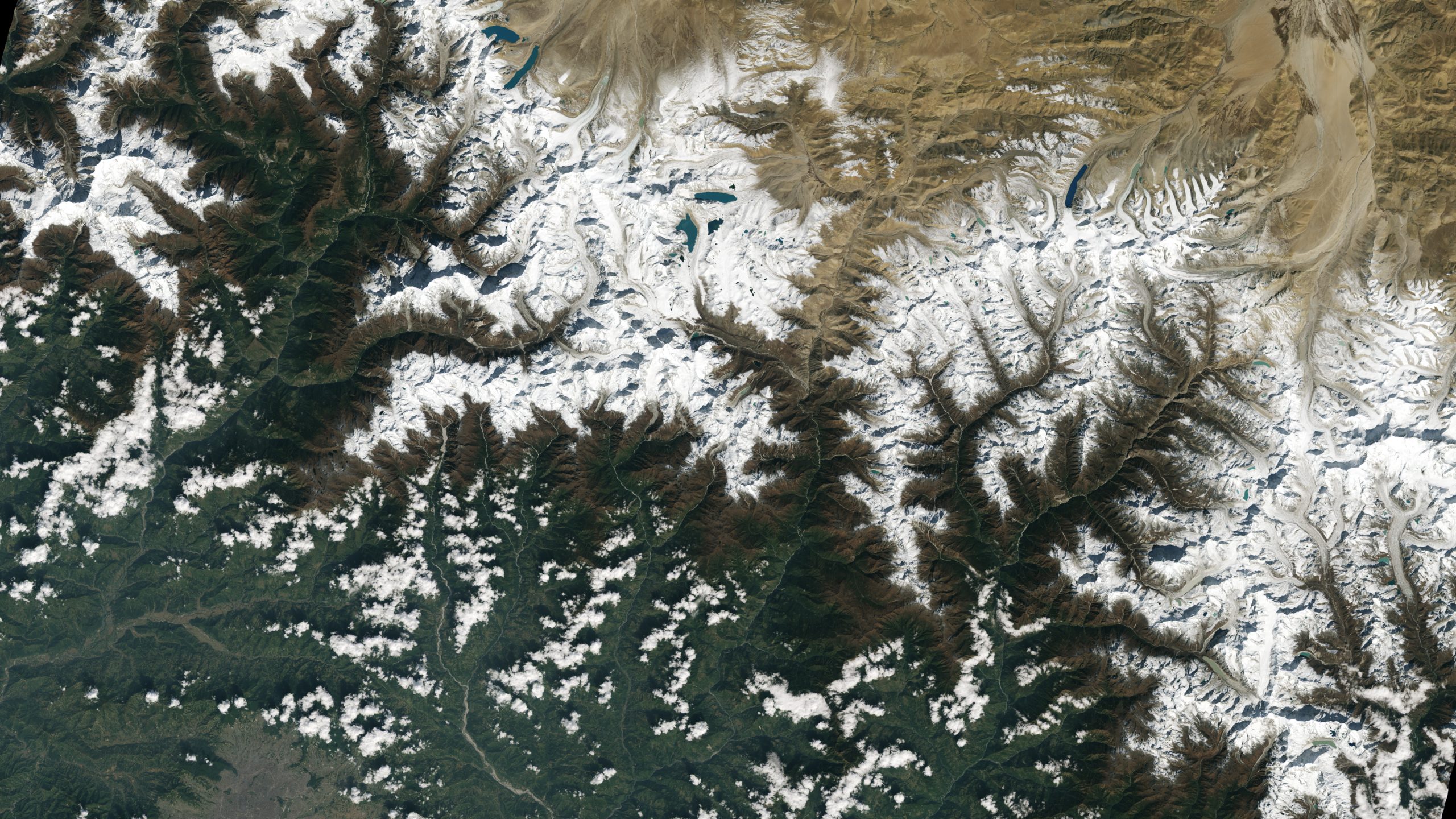
GIS & Remote Sensing
Mapping the Himalaya from Space
Work with satellite imagery, digital elevation models, geologic maps, and seismic datasets to investigate lineaments across the Himalaya. Students will gain experience with tools such as ArcGIS, Google Earth Engine, and PyGMT while contributing to the project’s evolving open-access lineament database.
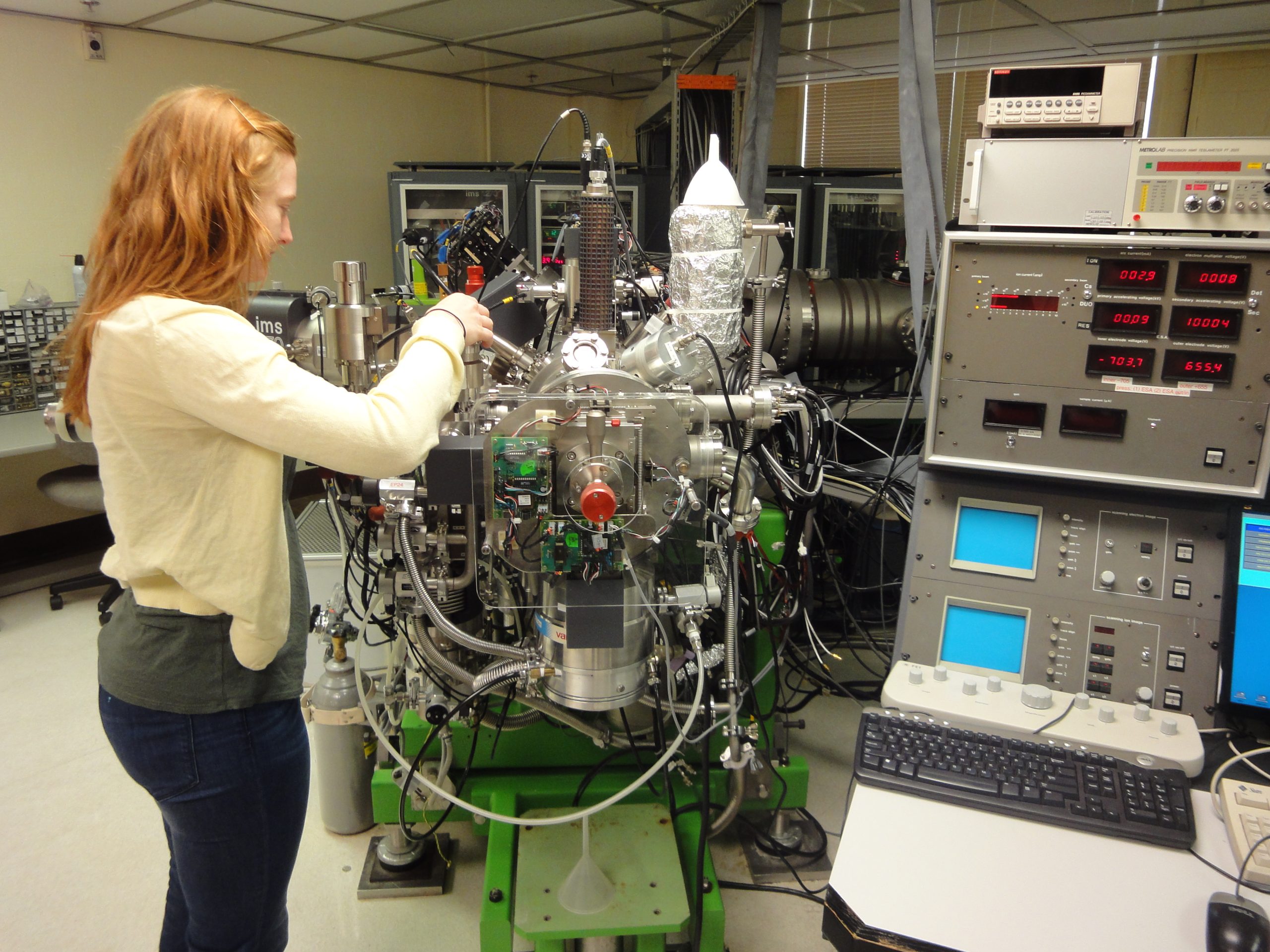
Laboratory Analysis
From Rocks to Microstructures
Work with Himalayan rock samples to investigate the mineralogical and microstructural record of deformation. Students may participate in sample preparation, electron probe microanalysis (EPMA), electron backscatter diffraction (EBSD), and a variety of dating methods, gaining experience in interpreting mineral chemistry, textures, and deformation microstructures.
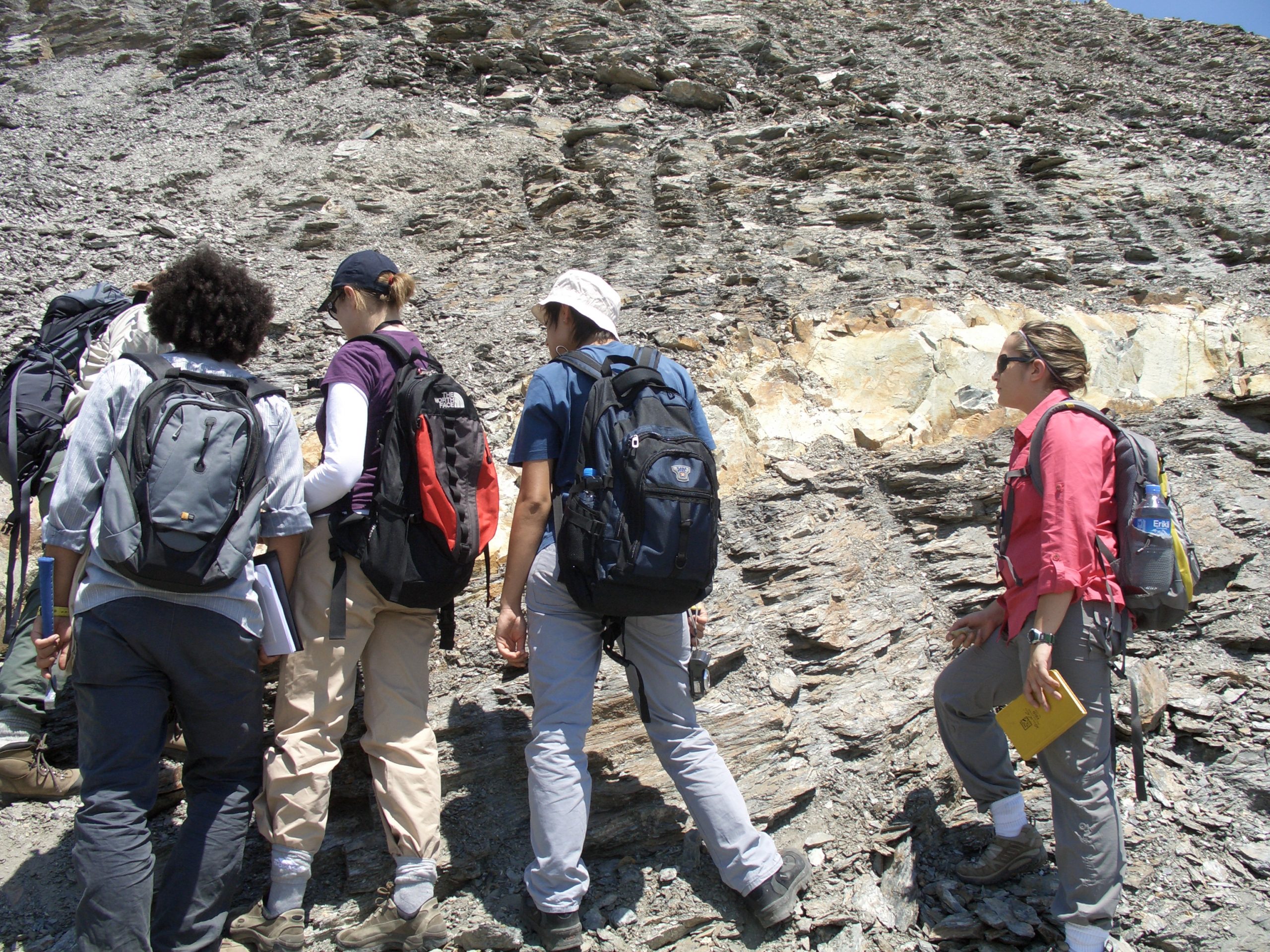
Field Support
Investigating Lineaments on the Ground
Qualified students may have opportunities to participate in field campaigns in Nepal, working alongside project researchers to investigate mapped lineaments in the field. Activities may include structural and geomorphic mapping, documenting fault relationships, collecting GPS-located samples, and recording field observations.
Undergraduate Students: Frequently Asked Questions (FAQs)
Undergraduate researchers will contribute directly to the scientific goals of the Himalayan lineaments project. Projects will be tailored to students’ interests, capabilities, and academic backgrounds and may include developing geospatial datasets using ArcGIS, Google Earth, and PyGMT; compiling and digitizing legacy geological data; analyzing spatial datasets; and developing or applying computational tools. Student contributions will be integrated into the broader project’s research, presentations, and publications.
The goal is for students to experience how a large, collaborative research project develops from scientific questions through data collection, analysis, interpretation, and communication.
The NSF project supports three undergraduate researchers at UT Austin, one during each project year, through the UT Austin NextStep Geosciences Program. NextStep Geosciences is a structured, immersive nine-week paid summer research program designed to introduce students to research and help prepare them for graduate study and other geoscience careers.
Undergraduate students at Pomona College will also have opportunities to participate in research associated with the project under the mentorship of co-PI Peter Haproff. Specific Pomona opportunities and support will be announced through Pomona College emails and department advertising.
Undergraduate researchers will receive both scientific mentoring and structured professional development. Students will work in the PI’s research space, allowing frequent interaction in addition to weekly structured research meetings. PIs Catlos and Haproff will participate in developing research goals, troubleshooting analytical approaches, interpreting results, and career planning.
Through NextStep Geosciences, students also receive training in geoscience data analytics, programming, laboratory techniques, and research workflows. Weekly professional-development workshops address scientific communication, reading scientific literature, applying to graduate school, managing stress, and building professional networks.
No. The NextStep Geosciences program is specifically designed to provide an entry point into geoscience research. Undergraduate researchers are not expected to arrive as experts on Himalayan tectonics. Students will receive training appropriate to their research activities. Backgrounds or interests in geology, geophysics, GIS, remote sensing, data science, geochemistry, tectonics, or related areas may be useful depending on the particular summer project.
Yes. The NextStep Geosciences experience is based at UT Austin. Participants will have opportunities for local geological field trips in Central Texas, the Austin area, state parks, and caves, where they can make geological observations and gain experience using field tools.
Pomona College undergraduate researchers may also have opportunities to participate in fieldwork in Nepal. Nepal fieldwork is intensive and may involve extended days in remote and physically demanding environments. Participation is not automatic. Students must demonstrate appropriate research progress, preparation and training, the ability to work safely and responsibly in the field and the ability to function effectively as part of a collaborative international research team. All participants must follow the project’s Field Safety Plan. Participation will be determined by the PIs based on project needs, available funding, research objectives, and the student’s demonstrated ability to undertake the planned field activities.
How to Get in Touch
Find us at Upcoming Meetings
The premier gathering for Himalayan geoscience. Find us to discuss the project and learn about open positions. Co-PI Haproff will present lineament data from the Melamchi Valley.
Stop by the Jackson School of Geosciences booth to learn about the Fault or Not? project, ask questions, and connect with the team. PI Elizabeth Catlos will also present related research on Himalayan garnets and the tectonic history they record.
One of the largest Earth science conferences in the world – we’ll be there. Find us co-chairing the late-breaking session on the 2026 Nepal Debris Avalanche and Flash Flood, or stop by the Jackson School of Geosciences booth.
Prospective Graduate Student Information Session
Join Dr. Catlos on Oct. 20, 2026 at 9:00 AM CDT (Texas time) for a live Zoom overview of the project and graduate opportunities, followed by Q&A. Use this registration link.
Graduate applicants selected for interviews will be contacted for individual conversations after the December 1, 2026 fellowship deadline.
Undergraduate applicants will be contacted for individual interviews after the NextStep Geosciences application deadline in January 2027. An undergraduate information session will be held in December, 2026. Pomona College students should contact Dr. Peter Haproff directly.
This material is based on work supported by the U.S. National Science Foundation under Grant No. 2548018.
Any opinions, findings, and conclusions or recommendations expressed in this material are those of the author(s) and do not necessarily reflect the views of the National Science Foundation.