Meet the Team
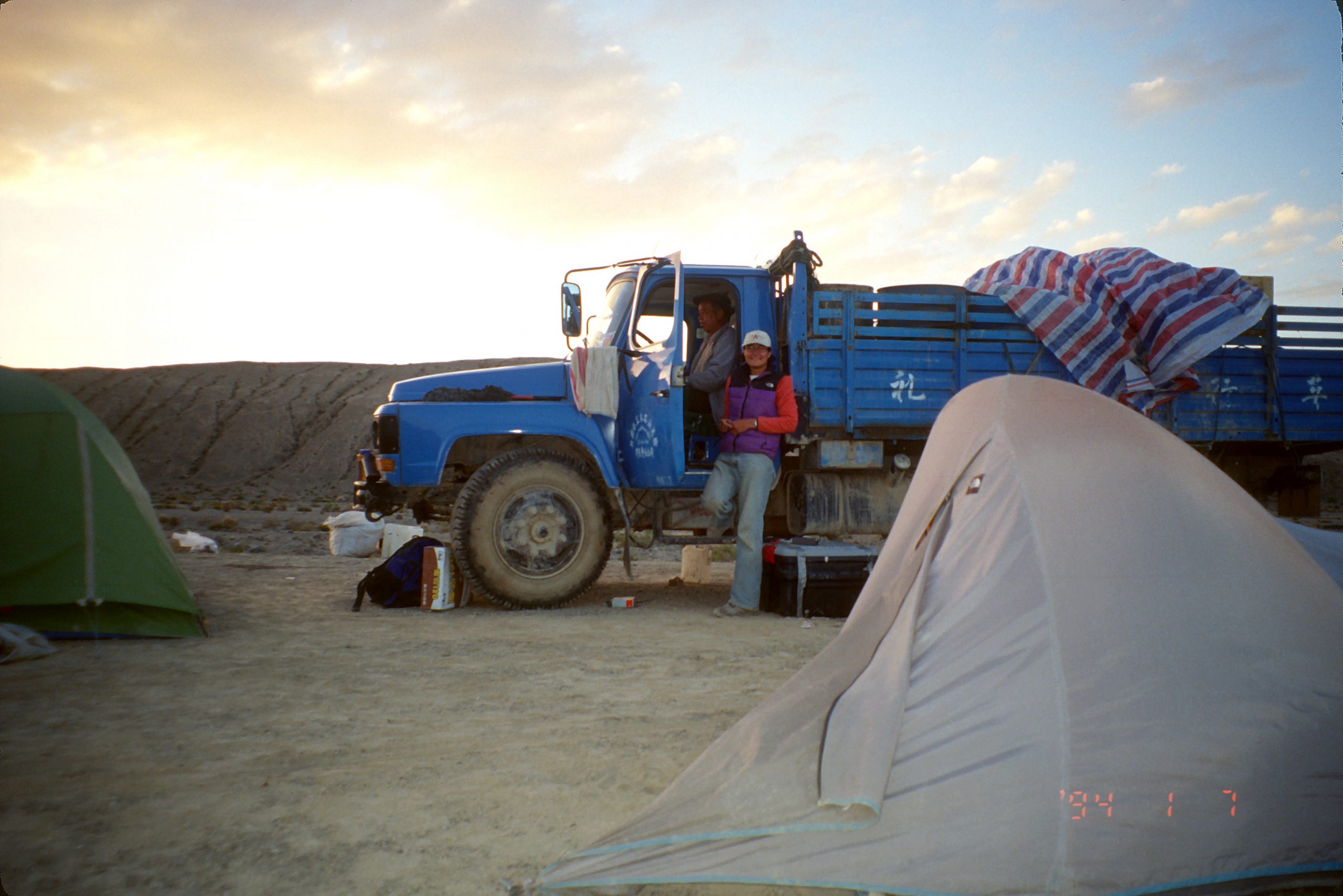

Elizabeth Catlos
PI – Associate Professor – The University of Texas at Austin
Dr. Elizabeth Catlos is an internationally recognized leader in Himalayan tectonics, geochronology, and metamorphic petrology. Over more than two decades, she has advanced the understanding of the Himalayan tectonic architecture, pioneering applications of garnet geochemistry to reconstruct the pressure-temperature-time (P-T-t) paths that record the orogen’s evolution. As one of the first researchers to integrate modern microanalytical techniques (SEM and electron microprobe) with geochronological methods in this region, she has produced influential work illuminating fault-system dynamics, metamorphic processes, and their links to landscape development and geohazards. Dr. Catlos leads scientific design and coordination across project components. She will mentor one graduate student and three undergraduate summer research trainees through Next Step Geosciences. Email: ejcatlos@jsg.utexas.edu
Peter Haproff
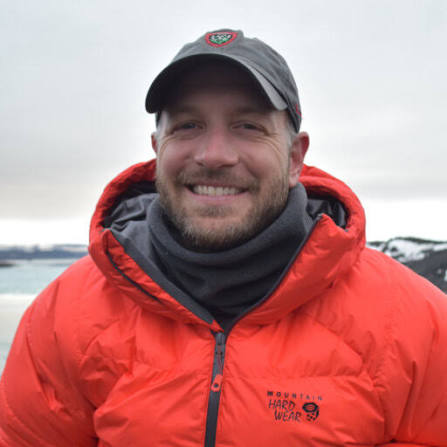
Co-PI – Associate Professor – Pomona College
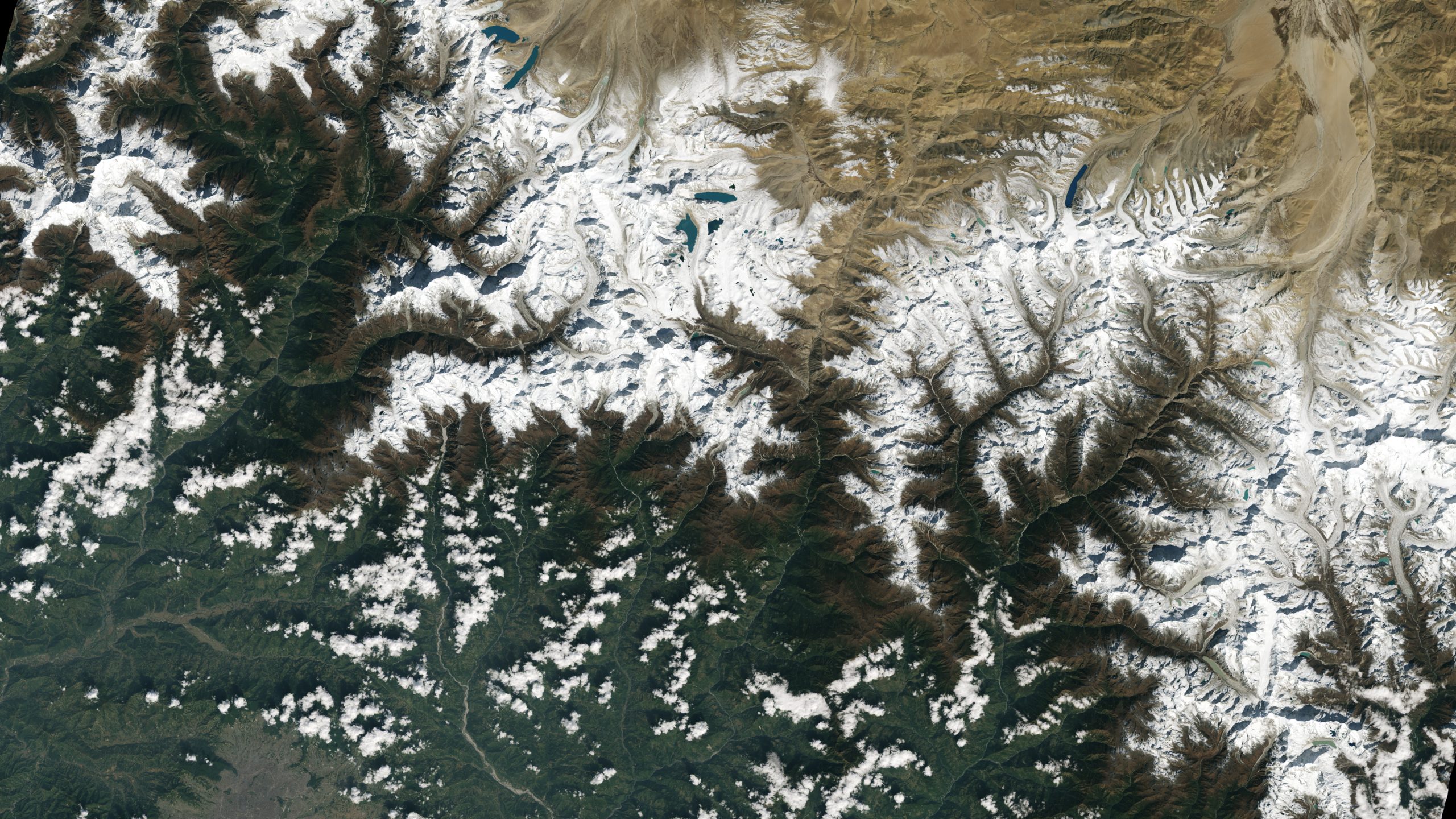
Dr. Peter Haproff is an accomplished field-based structural geologist whose research spans the Cenozoic development of the eastern and western Himalaya and the Archean–Cenozoic structural evolution of the Tibetan Plateau, Central Asian Orogenic Belt, and North China craton. His work integrates detailed field mapping with geo/thermochronology, thermobarometry, geochemistry, and analysis of satellite imagery and geodetic data to resolve the timing and kinematics of orogenic systems. Dr. Haproff also has significant experience in neotectonics in western North America and Asia, bringing specialized expertise in petrological and microstructural methods critical to this project, including electron backscatter diffraction (EBSD) analysis of ductilely deformed rocks. As part of this project, Dr. Haproff will lead the structural mapping and microstructural analysis components and will mentor students affiliated with the program. Email: Peter.Haproff@pomona.edu
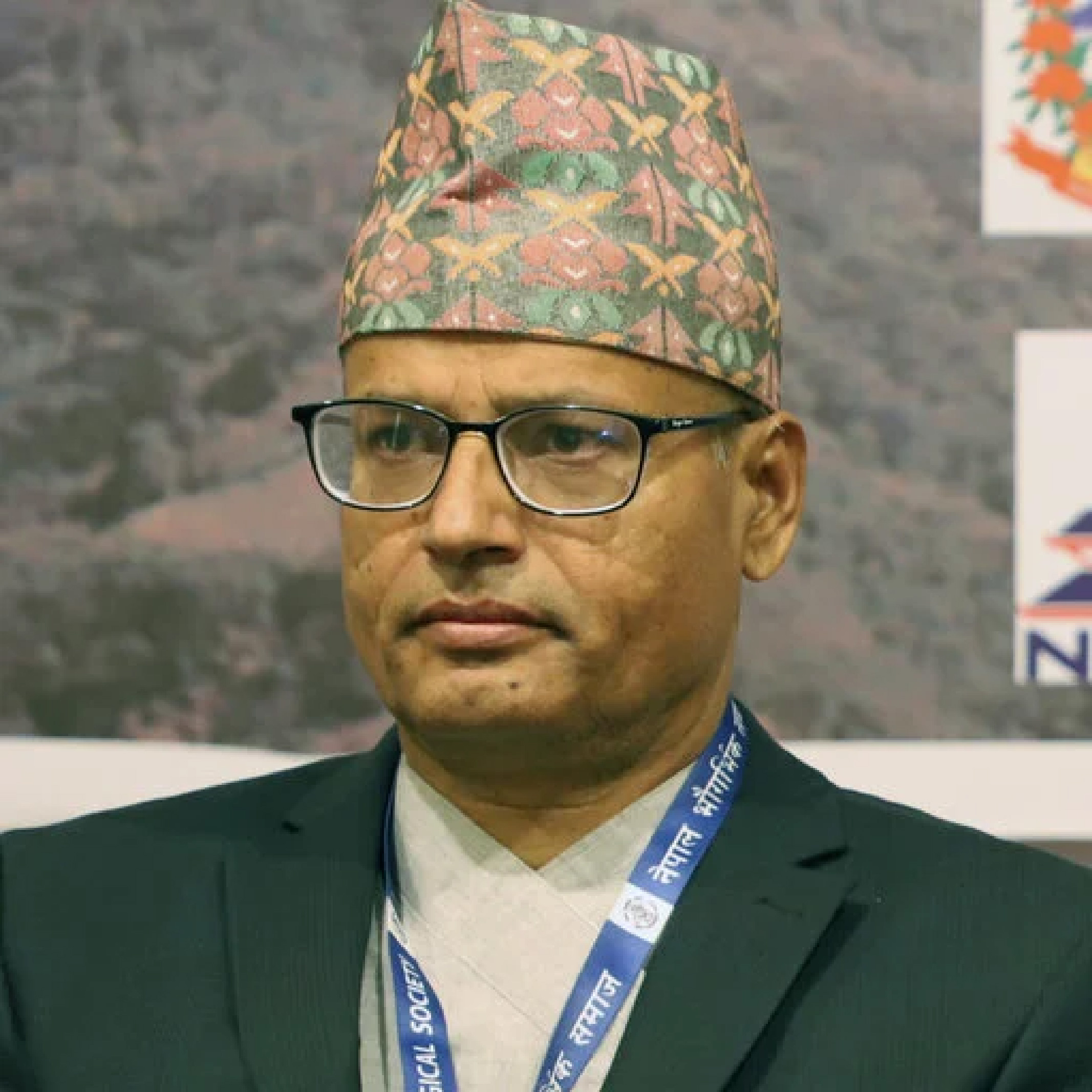
Ananta P Gajurel
Collaborator – Tribhuvan Univ., Dept. of Geology, Nepal
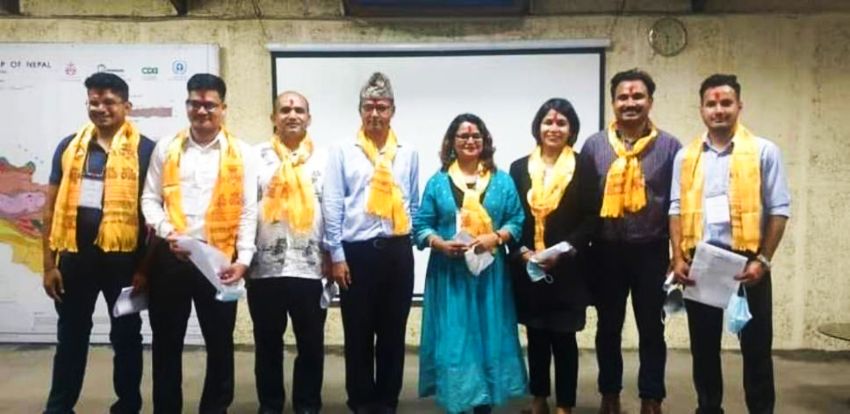
Dr. Ananta P. Gajurel is an expert in Himalayan structural geology, sedimentology, geomorphology, geochemistry, geodesy, and geohazards. He draws on over 20 years of experience mentoring and training students and research personnel in field methods in challenging terrains. He is the Senior Scientific Collaborator/Field Science Lead, in which he assists with research design, field planning, and academic integration. He will coordinate institutional support from Tribhuvan Univ., facilitate GPS and Global Navigation Satellite Systems (GNSS) research, and promote the project to other international geoscientific efforts. He bridges the U.S. PIs and students with researchers actively operating in the Himalaya at Tribhuvan Univ., as well as the international geoscience community, through his long-standing collaborations as a National Geographic Team Member and active engagement with the Nepal Geological Society, where he served as President.

Krishna Pandey
Collaborator – Geologist, Department of Mines and Geology, Lainchaur, Kathmandu; Ministry of Industry, Commerce and Supplies, Nepal Government
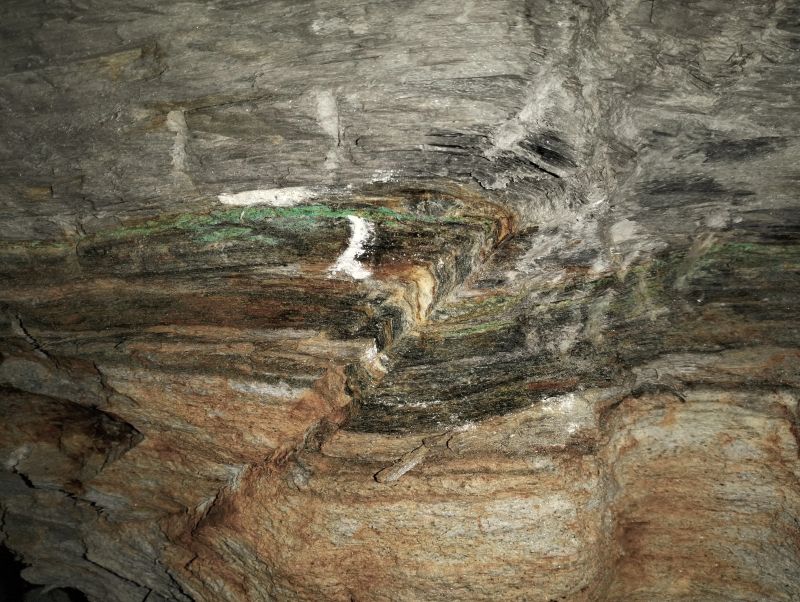
Krishna Pandey is the Field Logistics Liaison/Junior Scientific Collaborator on the project. He provides support with logistical planning, permitting, and coordination of field and sample access through the Department of Mines and Geology (DMG). He assists with geological and structural mapping, mineral surveys, and hazard assessments in the field. Pandey contributes to the integration of published geological maps and related geological information into the project’s ArcGIS-based mapping and research efforts. He will also contribute to wrap-up meetings following each field season.
This material is based on work supported by the U.S. National Science Foundation under Grant No. 2548018.
Any opinions, findings, and conclusions or recommendations expressed in this material are those of the author(s) and do not necessarily reflect the views of the National Science Foundation.